Monday and Tuesday are national holidays for the country of Zambia and every mother that was in our OB ward today decided to give birth before the long weekend started. Everyone got to catch a baby today. I actually got some great video footage of Jessica and Brittany delivering a baby, and I will upload it when I get back to the states:(WARNING, THE VIDEO CONTAINS GRAPHIC SCENES) [MEDIA=8]
As you can see in the video, it was kind of interesting to have 2 mothers giving birth in the same room, just about right beside each other. At first I was content to just video tape the 2 births, but when one of the mothers delivered before the other, I put down the camera and helped deliver the other one. We had to perform an episiotomy on the mom because that head was not coming out and vaginal orifice wasn’t tearing either. Once that was done the baby’s head popped out pretty quickly. The clinical officer helped me stitch the episiotomy closed that we had performed. You can see the pictures of me stitching below:
——————————————————————–
Below are the pictures of the babies that were born today:
————————————————————-
Yesterday I went with Dr. Peduche into the city as than ran errands and visited friends. In one of the shops I took the picture below:
Does anyone else see anything odd about this picture that was taken in Chipata, Zambia, one of the countries of Africa? The picture pretty much sums up alot of what I learned while tagging along with the Peduche’s as they visited their muslim friends who pretty much owned every corner of Chipata. I learned alot about the problems with the muslims here and the problems with the Africans. I learned more about the tension that you can feel between the groups here. I have alot of thoughts about what I learned, but for now I’ll keep them to myself.
So yeah, I definitely ate something I shouldn’t have because today I woke up with explosive diarrhea. After taking some Cipro I went to the hospital to see if anything was going on. There were 3 OR cases today, 2 of which needed spinal anesthesia. The first spinal anesthesia stick I did the nurse anesthetist walked me through it. The second one I did without his direction. The most amazing part is seeing the CSF flow out of your needle. Its also amazing to me that the women aren’t screaming as I push this 3 inch long needle into their spine. Even though technically it shouldn’t hurt, I could see myself being a very difficult patient to do this on.
My wife and I will be celebrating our 1 year anniversary while we are on the mission. I think that I will take her to the game park for about 2 days. Hopefully we’ll see some cool animals.
I just found out that the mother (who’s C-section I assisted on…you know the one that my wife helped me suture up) decided to name her little boy after me. My wife and I befriended her during her labor and prayed with her before the C-section so I was truly honored by the gesture. The pictures below are of Jaysson Mwale!
Today was outreach day, so we piled into a bus and set off. Its truly a wonder to me how the people that live in these remote villages make it to the hospital for emergencies. The roads are really just that bad. I honestly think it would be easier to ride a bicycle than to drive a car on these roads. The video below barely shows you how bad we were bouncing around: [MEDIA=7]
When we arrived to the village we set up shop. We started off with an educational talk about malaria, HIV, diarrhea, etc. Then we started screening the patients, diagnosing them and writing prescriptions. I began to get the idea (which was confirmed by the clinical officers) that we were writing prescriptions for people that didn’t actually need them. Just about everyone got Paracetamol because they had “pain” or a “fever”. But you can’t blame them; we were giving free meds and if they didn’t have pain or a fever at the time, eventually they would. When you read stories about multitudes and crowds pressing in on Jesus it really becomes real on these outreach days. Everytime you look up the huge crowd of patients gets closer and closer. At one point a little boy was right under my arm at our makeshift pharmacy.
Besides that, my tummy ahces because i ate something I shouldn’t have. The docs at LLU gave us some Cipro before we left so hopefully that will help.
The story of Zaccheus can be found in Luke 19. You know, Zaccheus hadn’t exactly lived a good life. He wasn’t an upstanding Christian or Jew. But when Jesus toldhim that He was coming to his house that day, Zaccheus was overwhelmed. That Jesus thought enough of him to visit him melted Zaccheus’ heart and he gave his life ot God, receiving salvation that day. I really think that this story really highlights the importance of visitation. Visiting someone starts the formation of a relationship, and people are more easily brought to Christ when you have formed a relationship with them. Physicians should always kep in mind the power of visitation. My wife and I visited the home of one of the many young single mothers for Sabbath lunch. I can already see the doors opening for the Word to be shared (even if we don’t crack open a Bible).
I got to deliver my first baby today!!!!!! It was just me and a nurse. I had actually gone into the hospital to see if the premature baby we cut out yesterday was still alive; he was and I was thankful to see his color finally there. A nurse walking by told me of the mother who was close to delivering. She was fully dilated and the secretions were pouring out. I set up my camera to catch the whole thing but I forgot to press record (like a big dummy), so I only got the unexciting part. So yeah I got the clamps and stuff out that I needed and I waited for nature to take its course. Her water broke and blood literally exploded out of her vaginal opening. Somehow no blood got on me, but a nice amount got on the nurse’s lip! She of course went crazy and went to wash off her mouth, leaving me alone. The baby popped out seconds later; I put two clamps on the umbilical cord and cut in the midle to minimize the bleeding. I gave the baby’s butt a slap and it barely cried, it just whimpered. The nurse came back and noted that the baby was tiny. We asked the mom how many months pregnant she was and she told us 7 months. "My God", I thought, "another premature baby!" I started to suction the baby’s mouth and nostrils but the baby still didn’t cry. When we put him on the scale, he started to cry a little, but then he stopped; he weight in at 1.7 kg.
We took the little baby boy to our “nursery” and wrapped him in blankets. The baby’s nostrils were flaring and his abdomen was retracting which each breath, indicating respiratory distress. We needed to give the baby oxygen via a nasal canula but we only had the adult size. So we made due and jammed it into one of the baby’s nostrils. I prayed over both the premature babies in the nursery, praying that they would make it through the cold night. You can see the baby in respiratory distress in the video below. Normally when you breath in, your abdomen pokes out, but when a baby is in respiratory distress you see the abdomen being sucked in.
Today was pretty good (I say that alot huh, lol). We rounded on the OB ward first, seeing all the patients who had a C-section done. The lady who I did the sub-cutaneous suture on is in pain from the surgery but she is doing fine. Her would looked beautiful if I should say so myself :). Another patient (an extremely young mother) had been in the ward for 9 days but we couldn’t send her home because the bottom of her C-section would wouldn’t close. The doctor asked me to suture it closed so I did it. Saying that the young mother was difficult would have been an understatement. She cried and squirmed from the time that she got on the table to the time that I finished. The clinical officer walked me through the procedure and then left. So I began anesthetizing her would by inserting a needle filled with lidocaine in the skin around it. Somehow I ended up spraying the lidocaine all on my face but eventually she couldn’t feel anything (although she still continued to cry). Then I had to take a scalpel and cut the margins of her wound so that it would be symmetrical. After that I started to put the sutures in (Silk 2-0). No matter how many times I locked the knot it wouldn’t hold as tight as I wanted. One of the scrub techs who works in the OR was walking by and told me that I was biting too deeply when I was going through the skin. I started to pass the needle right under the skin and the knots held perfectly. I think it is important to be open to all counsel as a physician in training. The more you listen, the more you learn, the better doctor you will become. Ego and pride can hurt you and the patient.
Being out here is really great. You can just aobut do anything after they show you how. On my list of to dos is:
lumbar puncture/spinal anesthetic
periocentesis
start an IV
more suturing
more vaginal exams
more baby deliveries
————-
I fit in a nice hot shower around 16:00 hours because we hadn’t had a power interruption in awhile, meaning that it was going to happen soon. We went down to the hospital to see what was going on. A mother had just come into the OB war and was experiencing contractions. This patient was odd; she didn’t know how many months pregnant she was, she didn’t know how old she was, and she didn’t even remember how many children she had. From looking at her abdomen she had obviously had a previous C-section so as the contractions grew worse we took her to the OR. My wife assisted the surgery and I assisted the nurse anesthetist. I inserted the spinal anesthetic needle but I didn’t feel the pop that I expected I would (signalling that I was in the sub-arachnoid space where the CSF lies). The nurse anesthetist took over and it took him some time to get it too (so I didn’t feel as bad, lol). I’m going to try until I really get it.
So yeah, they cut the baby out of the uterus and pulled out a silent premature babe. We had no idea the baby was premature because we had no idea how many weeks pregnant the mom was. I worked with the nurse anesthetist to revive the little baby boy. At certain points her O2 saturation was around 4%. After 10 minutes of her O2 sats were in the 80s and I felt like God was answering my prayers. I truly did not want to go to sleep after having a baby die in my hands. I stuck the section deep down into the baby’s throat and finally he eeked out a small cry/wimper. We took him to their “nursery room” which really showed the problem many mission hospitals have. As you can see in the picture:
the nursery has two incubators, but they are both broken. So the baby instead had to be wrapped in like 5 blankets, and then they put on a floor heater in the room. Like I said before, there is room for many medical professions on the mission field. Someone who has been trained in maintenance and repair of medical instruments and machines would be just as vital to the hospital as the doctor. If the Lord is calling you, don’t resist. You can touch so many lives when you are working in His will.
Today was a good day. I woke up nice and late after being called in for the C-section and praying with Mr. Myembe. My wife and I started rounding in the Peds ward. We checked the two kids that we operated on yesterday (the forehead cyst and the inguinal hernia). Then we went to the nutrition section and checked out the kids to see if they ere gaining weight. From there we stalked out the OB ward to see a vaginal delivery. While there I did a vaginal exam and I realized that I’m still very bad at figuring out the dilation of the cervix. I wanted to get one of the vaginal births on tape but both of the mothers ended up needing a C-section, so we went to the OR.
In the OR I assisted in two C-sections. The first one I got to put in normal non-continuous sutures to close her up. The second one was done with Dr. Peduche and she taught me how to do a cosmetic subcutaneous suture. That suture is so freaking pretty. While I was closing up, my wife (who acted as the scrub tech for the surgery0 was assisting me. You can see the picture below. To be honest, my wife is a much better and meticulous suturer than I am, so when she said, “Good job babe, that looks really clean”, I was beaming, lol. I want to take a picture of my first sub-cut suture when we round on her tomorrow. Time really does fly when you are in the OR.
One thing that has been a breath of fresh air while I have been operating at Mwami is that everyone stops and prays together before the first incision. I didn’t see this happen during my freshman rotations at Loma Linda University Hospital which is sad. I guess people don’t want to stand out or appear too spiritual in the hospital. I would personally want to pray before every surgery. I probably won’t have the pull to get this happening until I’m a senior resident or an attending. We’ll see though.
Today was actually a pretty good day. I woke up, had personal devotion and then prayer with my wife (something that husbands as priests and heads of the household should strive to do). Today was Dr. Ang’s last day in the OT (operating theater as they like to call it here; we call it the OR) before he leaves for his yearly furlough. We were taken on a tour of the OT by George, the scrub nurse. Their operating room really isn’t all that bad. As I observed the surgeries I noticed things that they just had to deal with due to a lack of resources. For example: 1) Dr. Ang needed a certain suture but they didn’t have it 2: also the scissors they gave him had been in use for so many years that it couldn’t even cut the suture thread 3) They ran out of scalpel handles, so with a clamp and scalpel blade, they clamped the scalpel blade and made a makeshift scalpel 4) They have to sterilize and reuse lumbar puncture syringes, etc. etc.
Today was lecture day, where Dr. Ang made a presentation to the clinical officers and the nursing students on the topic of an acute abdomen. The story Dr. Ang told us about one of the acute abdomen patients that came in was quite amazing. Here is what I remember:
A woman named Mary wakes up with severe pain in her abdomen; she definitely needs to go to the hospital. She lives in Chipata (a nice sized city) so her husband got ready to take her to Chipata General Hospital. HIs wife however absolutely refused. She told her husband that she wanted to go to Mwami Adventist Hospital. This request was quite unreasonable because Mwami was a 40 minute drive away on a dirt road, with no lights, with potholes so terrible it would make a New Yorker cry. The husband tried to reason with her, but she said, “No! I am very sick…if I go to Chipata General Hospital I may die, but if I go to Mwami I know I will wake up after the surgery.”
So they took off; by the time she arrive to Mwami she was almost completely pale (they could tell that she was bleeding out somewhere). When they opened her up her abdomen was filled with blood from an ectopic pregnancy. There was about 3 L of blood inside her abdomen. Her blood was type O positive and Mwami’s blood bank was out of her type and Chipata’s blood bank was closed. She was losing blood too quickly so what they did was they sucked the blood out of her abdomen, then they poured the blood through a gauze into another container. They then sucked the filtered blood into a syringe and pushed it right back into her veins. This worked for awhile (as they operated) but she wasn’t going to last til daylight unless she got more blood. Dr. Ang remember that he was also type O, so he left during the surgery and gave a liter of blood. This gave her enough volume to last until the morning when the Chipata blood bank opened.
She did survive and I think this was a testimony to all medical students, physicians, and nurses that God can do amazing things through you when you serve him. Chipata General Hospital was much newer and closer, but Mary knew that God was guiding the surgeon’s hands at Mwami.
——————————
At 23:45 ours my cell phone started to ring. I couldn’t understand why my parents were calling so late so I just ended the call. At 24:47 my cell phone rang again…I actually looked at the phone and realized it was a Zambian number. I had forgotten that I gave the nurses my number and told them to call me if any cases popped up. My wife asked me whether I was going to go in. I replied much to harshly and sarcastically, “Does it look like I’m going in? I’m tired.” She bore with me and encouraged me to go. Eventually we both rolled out of bed and went to the hospital. The patient, a young mother, couldn’t deliver because her pelvis was too small, so she needed a C-section to save the baby. It was my first time viewing one and it was truly amazing. You can view the video here: [MEDIA=5]
At about 0:57 hours when the surgery was done my wife and i started to walk back to our guesthouse. Dr. Ang however told us to wait because he would drop us home; he just needed to finish a chart in the office. He was in there a long time so I decided to go to his office and tell him that we were going to just walk back. When I walked in, Dr. Ang was listening to Mr. Myembe talk. As I walked in, Mr. Myemba was saying, “Doc, I just can’t take it anymore. Just give me enough meds so I can die.” He was in constant pain all the time; you see Mr. Myembe (a life long Adventist Christian and clinical officer at Mwami for 32 Years) had been diagnosed with autoimmune chronic pacreatitis 4 years ago. He was truly slowly and very painfully dying. To be honest, I was very tired and I just wanted to go to bed. Not wanting to really interrupt I closed the door to Dr. Ang’s office and proceeded to leave. However I only walked away about 10 steps before I couldn’t continue. The Lord had been truly speaking to me through the book, Jesus, M.D. I just knew that if the Great Physician was there that He wouldn’t have left that room. To be like Him, I too needed to be sensitive to human suffering. My wife and I walked back into the room, sat on the couch with him, and put our arms around Mr. Myembe.
Mr. Myemba was truly have a Job experience. He had been an active Christian for just about his whole life. He never smoked or drunk his entire life. He had only been with one woman his whole life and that was his wife. He had faithfully worked at Mwami for 32 years winning many souls to Christ. At his home he had a huge farm with vast acres of bananas and orange trees and all other sorts of fruits and vegetables; the farm brought in good money too. Four years ago, just when he was about to start a doctorate he came down with the autoimmune pancreatitis. He was in so much pain that he couldn’t work at Mwami or at his farm, so all the fruit trees and vegetables and cattle died (working the farm was his main hobby). Medical bills were rising so he decided to take all of his money out of his savings. When he went to the bank, the bank said that someone had already withdrawn all the money out. Everything seemed okay on their end so the bank sent him away. After Mr. Myembe finished telling me all of this he asked me, “Doctor, I have tried all my life to serve God completely and live a life that is acceptable to Him. What did I do to deserve this?”
I looked at my wife and she was speechless; I looked at Dr. Ang and he was quiet. I didn’t know what to really say either. I mean I had honor my Behavior Medicine class so I should be able to figure out something right? But real life practice is much different than class. I asked him if he had heard of the story of Job. “Yes I’ve heard of it,” he replied, “I’ve heard and know all the stories in the Bible and I can recite them for you.” The Lord spoke to me and told me to be silent. You know, sometimes the best comfort you can give someone is a loving arm and your silent company. So I listened to him; he talked about his lost hope and his despair. He just wanted Dr. Ang to give him enough meds so he could die. He didn’t understand why some were lucky to get sick and then die 2 hours later Why did he have to continually suffer? What was he to learn from this? Is this how God repays his servants? As in the story of Job, he knew that he wasn’t with God when he made the heavens and earth, so he knew he had no right to think that God’s ways were unfair. He knew that he couldn’t understand God’s actions all the time, but he just wanted to know how could a God who claimed to love him allow this to happen?
In cases like this you have to get to the soul of the matter. Does the patient know that God loves them? Does the patient still love God? You can’t end the conversation without addressing these issues because if they don’t love God, they won’t be happy to see Him when He comes back. So we comforted him, shared our love and empathy (empathy is most important here), and encouraged him not to end his life. Dr. Ang, my wife, and I prayed with Mr. Myembe and then we departed. (He was admitted and given pain meds too).
If I had been my normal selfish self, I would not have gotten out of bed tonight and I definitely wouldn’t have stayed with Mr. Myembe. But I didn’t, and I was blessed much more than any sleep I lost. We must remember to always emulate the Great Physician. He was always on call, and always interupptible. His sleep and his eating schedule could wait if it was for a soul in need. Let us strive to emulate the Greatest Attending that ever lived.
So today was pretty routine except that we rounded in the Peds ward today. The theme of the Peds ward is MALARIA, MALARIA, MALARIA. Almost every kid presented as, “This is Jane Doe, age 2years, who presented with vomiting, diarrhea, fever, and splenomegally.” The Lord is good and most of the children service, but some definitely looked like they weren’t going to make it. I realized that I really do like kids. I like picking them up and playing with them. Even after the delivery I witnessed yesterday, I was more interested in the baby than the mother they were suturing up. I don’t think peds is in my future, but I certainly don’t mind it.
After the malaria room, we went to the Peds Protein room. This room contains many kids who were too underweight and malnourished. Many of the kids presented with serious edema in their extremities, due to the loss of protein in their vasculature. Once we fixed their edema we gave them a nutrient regimen that brought their weight up again. This video shows some of the kids.: [media=4]. After that we saw a kid with bulbous impetigo. I played with the kid and took a picture. You can see them in the gallery below.
Next we moved into the OB ward. We rounded on the mother who gave brith (the one I saw yesterday). The mother decided to name her daughter after my wife, Brittany. So there will be a Brittany Katombo out there somewhere. When a mother names her child after you, you are obliged to visit the child and bring gifts when you visit (its like you are a godparent). Of course this lady lives like more than 2 hours away walking, so we will have to pick a good day to visit her.
Today was pretty great. Of course I was up since 3 am because my circadian clock is still completely off. So I continued to read Jesus, M.D. for about 3 hours. I really praise the Lord for his book because it has helped me overcome many of the fears i had about being a missionary doctor.
After devotion I went to check my e-mail and then I went on the wards. The stroke patient that I mentioned in my last post is getting worse and there is nothing we can do about it. The OB ward actually ended up being the coolest part of the day. We were prepping a pregnant patient for a vaginal delivery. After 3 days of labor we kind of thought that she needed a C-section but the main anesthesia person was out of town and the remaining anesthesia guy left suddenly due to a death in the family. Dr. Ang said that this happens often. People tend to put their family emergencies ahead of the patients.
So eventually the pregnant patient needed to be hurried along so we gave her hyoscine and started an IV so that we could give oxytocin. Initially they asked me if I wanted to start the IV but I had to carefully observe one to feel comfortable enough to do it. I didn’t want to be known as the American medical student who killed a pregnant women via IV. So I deferred and watched carefully. We took the mother to the delivery room and waited for it to happen. We were all talking and chatting it up whens meone noticed that the head was already coming out. The clinical officer quickly gloved, unwrapped the umbilical cord fromt he baby’s neck, suctioned, and slapped it to get it crying. It was truly the most amazing thing I have ever seen in my wife. After that I got to suture the tears that were created in the vaginal orifice duirng birth.
Since today was Sunday, rounding started a little later today. While we were waiting for D.r Peduche to arrive I had a chance to chat a little more with the clinical officer students (physician assistants). Their training is pretty rigorous and similar to medical student training except they don’t get into as much basic science detail as we do. But they do rotations in everything from pediatrics and OB-GYN to dentistry and ophthalmology. They know their pharm pretty well and they can even do minor surgeries. They exist due to the shortage of physicians in Zambia.
So rounding was pretty similar to what you would see in the States except we rounded on all of the services (medicine, peds, obgyn, surgery). Surprisingly, unmarried teen pregnancies are common here also, as I saw while rounding on OB. Many of the patients also require C-sections here. Although the conditions here are not all that great, I do like the face that they keep all the windows open so that fresh air can come in. I feel that our American hospitals could benefit by following his example. Using the bell of my stethoscope I was able to listen to the fetal heart beat of a pregnant mom. In preparation for the C-section on the 19 year old patient we gave her oxytocin. Next we went to the female medicine and surgery ward. On a patient that was recovering from TB, I leaned how to tell her to breath (pemani) in Nyanja as I listened to her lungs.
In the male ward we had an elderly man who had a blood urea nitrogen (BUN) of 15.5 (not good, and probably indicated renal insufficiency. ) We had him on diuretics and he had barely urinated all day and all night and he had been complaining of his urine dribbling out, so we suspected BPH. In order to confirm this, he needed a rectal exam (to palpate the prostate). The clinical officers were trying to make each other do it and I decided to volunteer since I had never done it. Since all they had was a size 7 1/2 glove I was praying that my size 8 1/2 hands didn’t pop the glove. I felt what I could feel and it seemed normal for my first try. By the time one of the clinical officers tried, the old man just collapsed in exhaustion from being poked and prodded. I felt so bad for putting him though that but it was necessary.
We moved on to our next patient who reminded me of many of our American patients. He was a middle aged man who had a history of smoking and drinking. At the hospital he presented with hypertension (this was news to his wife since he never got is blood pressure taken before) and right sided weakness. He had obviously had some kind of stroke. In the States we would start him on a blood thinner like Coumadin or Heparin; we might also evaluate his clotting process by checking his PT or PTT. At most rural hospitals this is just not possible. You see, all of the drugs and reagents are supplied by the Ministry of Health in Zambia. If they don’t offer a drug, you probably won’t get it. I realized that they could not even do an EKG or check the cardiac enzymes of a patient to see if they had a heart attack. Now of course if you have an abundance of money (which only tends to include the whites running the NGOs, the Muslims and Indians running the businesses, and the corrupt African politicians) then you can pay to send your blood work to private labs. Most Africans will not have these opportunities; s with our patient who really needed an MRI and Coumadin, we just had to give him Aspirin.
There are so many things I am seeing that it is hard sometimes to remember. Many problems I see are simply due to the patient coming in too late or seeking our medicine after other methods. For example, this one patient in this picture: decided not to come into the hospital when there was clearly a problem with the birth. By the time she came in, the baby was dead, and we just had to take it out. Also there was another patient who had AIDS and an odd protrusion of his spine and severe abdominal distention. As you can see from the picture: he had waited awhile to come and see us. You can tell this because the cuts on his stomach and chest indicate that he went to a traditional healer (AKA a witch doctor) to be treated first. Then other sad stories include his patient who’s hand was destroyed in a grinding mill accident: . There is so much need here. I hope that I am up to the task which God has called me to.
Today was my first Sabbath at Mwami and I truly enjoyed it. We woke up in the morning and had devotion. I have been reading the book Jesus, M.D. and it encouraged me to take myself away from everyone else and go on rounds with the Great Attending (Jesus Christ). I would recommend that book for every medical student, especially those who want to fashion their practice after Christ’s ministry. I have found this nice spot where I can truly spend time with the Lord (check out the video below). I realized that back in the States, I would barely give Christ 20 minutes everyday. As the book Jesus, M.D. stresses, would you actually learn anything from your attending if you barely spent 20 minutes with them a day? I realized that I need to get serious about spending time with God, because it is only going to get worse in terms of my busy-ness.
[media=2]
____________________________
After devotion I started my trek back to our guesthouse. While being here I realized that I had too much of a rigid view of what missionary medicine was supposed to be like. I thought it entailed no electricity, no cards, water from a well, etc. etc. While there are many hospitals like that, this is not ideal. The Mwami Adventist Hospital I see now is the product of years of work. They now have electricity (sporadically however), running water, toilets, satellite internet, cards, an ultrasound machine, etc. Missionary hospitals are supposed to get better as time goes on, and I am seeing that at Mwami.
Today at church I experienced my first communion service in Africa. They do it surprisingly similar to how we do it in the States. The more I stay here the more I could see myself living here. The longest I have every been on a mision at one time is 5 weeks,w hich made me wonder if Ic ould pull off the long term call (10-15 years) like Dr. Ang andhis family have done. But you know what, as long as your home reminds you of the States and as long as your home is a safe haven for you, you should be able to serve for many years. Dr. Ang’s home isj ust as big as the flat homes in Cali or Florida. Of course,many misisonaries live in much less than that but I’m sure their home is still truly a place of rest. Tormorow hopeuflly I will start helping out more medically.
So it is currently 18:00 hours and I just woke up after taking a nap. Of course the nap didn’t help me switch over to this time zone, but it felt oh so good.
Today was our first day in the hospital. Since it was Friday, the whole hospital got together and had worship. There was song service, a special music via a choir, prayer, and a sermonette. During the announcement Dr. Peduche introduced us to the whole hospital staff. After that we were taken on a tour of the hospital. It is actually quite big; there is a Peds ward, an OB ward, a physical therapy room, a counseling room, a pharmacy room, administrative offices, an X-ray room, an OT (operating theater), and both a male and female ward.
Everything was alot nicer than I expected it to be. The hospital was built in 1927 but it has been kept up very well. They even just got a satellite which allows them to get internet! So I checked my e-mail today for the first time in rural Africa. Despite the amenities this hospital is still very much in the bush. After our tour I started organizing all the medical supplies we brought over. Then I went to join my wife and Jessica (the other med student) on the wards. On the way I met Humphrey and Peter who are clinical officer students (they are the equivalent to physician assistant students here in the States). Check out the video:
[MEDIA=3]
__________________________
On the wards I began to see what life was like as a missionary doc. There were patients with gangrene legs that needed to be amputated; there were patients with benign prostatic hyperplasia (BPH) who couldn’t pass urine and needed TURP. Other patients had huge gallstones that had to be surgically removed. Mwami didn’t have the fancy machines that blasted the gallstones with sound waves (or whatever they use). One patient was trying to fix a grinding mill and got his phalanges (2-5) crushed all the way down to halfway of his metacarpals. Many of the patients required lumbar punctures to confirm whether they had cryptococcal meningitis. This is a type of fungal meningitis often seen in HIV/AIDS patients. They would typically put these patients on fluconazole and amphotercin B; they would also start them on ARVs (anti-retroviral drugs). In terms of the conditions of the hospital it is good, but it could be better. The patients each have a bed but they are pretty close together. There is no such thing as sperators between patients. They also don’t use gloves when touching patients nor do they wash their hands often between examining patients. Many times they take the saline IV setup (with the bag and tubing), and use it as as a foley catheter. Most of the problems that I see are dealing with not having consistent electricity, inconsistent lab availability, no pathologist in all of the eastern part of Zambia (they have to mail specimens to the capitol and they get the results sometimes months later), funding, etc, etc.
I hae truly seen the need for all types of health professionals here. There was a patient today who really needed a GI fellow so that he could be scoped. They need X-ray techs, radiologists, internists, pediatricians, OBGYNs, surgeons (all sub-types), physician assistants, nurses, etc. They also need civil engineers who can pave roads to make Mwami more accessible. Being here has made me want to learn plumbing, carpentry, masonry, etc. As a missionary doc you have to often do what you weren’t trained to do. Dr. Ang (trianed as an anesthesiologist) is themain surgeon here. Dr. Peduche (trained as an OB-GYN) worked as an internist today. At certain points during the day I wondered to myself whether I could actually come out here and do this full time. It is so different from America, but I believe that the Lord can soften my heart and help me to let go of the pleasures that I cherished in the States.
I woke up at 2 in the morning today which is about what I expected. My body thought it was really 4 p.m. and thought it was time to wake me up from my afternoon “nap”.
The travel to get to Chipata was quite intensive:
Los Angeles to London: 10 hours 20 minutes London to Nairobi, Kenya: 8 hours 30 minutes Kenya to Lilongwe, Malawi: 2 hours 5 minutes Malawi to Lusaka, Zambia: 1 hour 10 minutes Lusaka to Chipata (by bus): 12 hours
The worst part of the trip was the bus ride. The driver was great but the road was riddled with so many potholes that you could barely accelerate to a descent speed. Then, when we were about an hour from Chipata (where Mwami Hospital is) we hit such a fierce pothole that it knocked our front wheel out of alignment. The pictures below show what we were dealing with. The pothole knocked our left front wheel so far back that it was rubbing against the underside of the bus.
I swear that these people are truly geniuses. I had made a couple of suggestions which kind of worked, but what they did is that they put a huge rock behind the wheel and reversed the bus on the rock. Each time they did this it knocked the week forward more and more. This idea got us back on the road. Although the road was rough, it was great to finally arrive at Mwami.
The head doctors (well actually the only doctors at Mwami Adventist Hospitals) are both Filipino. Dr. Ang was trained as an anesthesiologist in the Philippines but learned how to be a general surgeon while he was at Mwami. Dr. Peduche was trained as a OBGYN. At many misison hospitals in Africa you will see this kind of set up. The hospital’s doctors are either Filipino, American (white), Russian, Dutch, etc. The Lord has surely led these doctors to their respective mission fields but my questions is: Where are the black missionary doctors? I know that God is not partial or racist in choosing the hearts that He tugs towards mission service. Why are we not heeding the call? You have no idea what it means to the people here to see a black American doctor treating them.
Anyway, I haven’t met Dr. Peduche yet, but we ate at Dr. Ang’s house tonight. Their house is absolutely beautiful. Much more so than the concept of a missionary house that I had. Dr. Ang has been here for 15 years serving the surrounding rural communities. His family is amazing too. They have 1 girl and 1 boy, and their mom can cook out of this world.
There is so much more to write but I have to sleep and get ready for our first day tomorrow!
I ACTUALLY GOT INTERNET ACCESS HERE SO I’LL BE TRANSFERING MY JOURNAL ENTRIES ONTO HERE. I CAN ONLY UPLOAD THE PICTURES FROM AFRICA. I’LL UPLOAD THE VIDEOS WHEN I GET BACK ON JULY 23. At the end of each post, I’ll add some pictures that were relevant to the day.
_____________
So after leaving the LAX airport on the 16th we are finally here in Lusaka, Zambia. This place looks the same as when I left it 4 years ago. This mission trip has been quite different because for the first time we aren’t traveling with the huge NAPS group. Things really ran smoothly when I was with them. I barely had to think about things like passports and entrance visas, now I do.
Today we basically bought a Celtel SIM card for my cell phone and we exchanged our dollars for Zambian currency. We are in Lusaka (the capitol) and Mwami Adventist Hospital is in Chipata. Our bus leaves for Chipata tomorrow at 6:30 hours. The trip will take 9 hours, but after that we will finally be done with the travel.
The jet lag is killing me so I’ll write more tomorrow.
So you plan on going on a medical mission trip? That truly is great, but you need to be prepared. In my last post you saw all the medical supplies that we are taking over. Below is a description of personal items I think are essential and helpful to have on the mission:
1. Old Spice High Endurance: If you are a real man, you will buy and use Old Spice…period. :). On a real note, just make sure that you bring deodorant because you will sweat and air conditioning is not common in the rural areas.
2. Antibacterial wipes: Most of the foreign missions I have been on have taken me into areas where there was no running water, so a bath was out of the question. Although where I am going for this mission will have showers, I still take these wipes with me in case I need them. They can fit in a bookbag nicely if you take each roll of wipes out of the container, put them in a gallon ziplock bag, and then sit on the bag (while you are closing it) to create a vacuum seal.
3. Toothpaste, toothbrush, and toothbrush case: There is nothing worse than bad breath. Bring a toothbrush case to cut down on your toothbrush’s exposure to germs (of course this means that you will have to clean the case too).
4. Germ-X: This stuff is truly a life saver when you are on overseas missions. People are very friendly in Africa and you will shake many hands. Before you eat, and after every physical encounter, you should clean your hands with Germ-X, especially if you are not near running water. If you want explosive diarrhea, then leave the Germ-X at home.
5. Tide packets: If you are going into the rural areas of Africa, chances are that you will not have a washer and dryer, let along electricity. So it is time to learn how to handwash your clothes, and these packets can help you do that. In reality, when we go overseas, we usually pay one of the local ladies to wash our clothes, but they will not wash your underwear, so these tide packets are for you and your underwear washing.
6. Soft 2-ply toilet tissue: You may think it is stupid to bring toilet paper because they definitely have toilet paper in Africa. This is partly true; they have toilet paper but every roll that I have sampled in Zambia and Zimbabwe has been like 0.3 ply toilet paper. Wiping your hand with such thin and coarse toilet paper makes the thought of just using your hand much more appeasing. Trust me, your anus will thank me…bring toilet paper.
7. Feminine Wipes: The antibacterial wipes in the picture above aren’t always kind to the female genitalia. That is why it is good for girls to buy these wipes; guys will be fine with just the antibacterial wipes.
8. Body Wash & Luffa: Usually when I go on missions, there is no running water, so we just use the antibacterial wipes. Since we will be staying in the guest house of the hospital we will actually have running water, so I decided to bring some cleansing supplies.
9. 110 to 220 Voltage Converter: If you plan on using and charging your cell phone, your laptop, your camcorder, your camera, your blowdryer, etc., then you need this converter. The voltages used in America (110V) differ from the voltages that are used in most of the world (220V), so if you don’t want to fry your American electronics, then buy this converter.
10. Batteries: Is always good to bring quality batteries for your camera so that you can take tons of pictures.
11. Pen Light: You will need this to check your patient’s pupillary constriction, as well as other eye findings.
12. Tape Measure: If you are measuring a patients jugular venous pressure (JVP) having a tape measure if helpful, or if you are measuring a lesion on the skin it is important to have.
13. Reflex hammer: You can test alot of stuff with a reflex hammer and it is good to have one to do a good reflex exam. You can diagnose an upper motor neuron lesion just with a reflex hammer (lol, well kinda).
14. Tuning fork: You can use these things to tests a patients hearing and also their vibration sensation. I’m sure it can be used for other things but that is all I learned.
15. Otoscope and plastic covers: You can use this to look into a patient’s ear.
16. Panoptic and Direct Ophthalmoscope: You can diagnose a butt load of diseases by looking at a patient’s retina with these tools. I personally can’t use the panoptic scope (the huge eye piece that looks like it belongs on a sniper rifle), but I bring it anyway. The great thing about this handle for my ophthalmoscope and otoscope is that the top twists off and I can plug it into a wall and charge it. If you are going a mission trip into a foreign area, I would recommend a hand piece like this.
17. Stethoscope: Yeah, you’ll need this.
18. Blood Pressure Cuff and pump: Yeah, you’ll need this. I only took a picture of one size cuff, but you should bring enough cuffs to fit all sizes.
19. Travel Wallet for Passport, Cash, and Credit Cards: I can’t express how important it is to buy something like this. You basically can put your passport, credit cards, cash, etc. into this wallet and then hang it around your neck, making sure that it is under your shirt. May people think it is safe to just wear a fannie/waist pack or carry everything in their book bag but this is not true. There have been many tales of travelers who were walking down a busy street and someone cuts the strap of their fannie pack from behind and runs off with their valuables. They can do the same with your bookbag, especially if you wear the bookbag with only one strap over your shoulder. So yeah, having it around your neck it much safer, and it doesn’t scream, “Look and me, I’m a foreigner”
20. Watch: It is always good to have a watch, especially in the rural areas of Africa. Make sure that this watch is water resistant and that it can be change to military time, because that is what they use in most countries in Africa and the rest of the world.
21. Camcorder and blank tapes: You simply have to capture your experience when you go on a mission trip.
22. 2 GB SD card: You want alot of space so that you can take alot of still shot pictures.
23. L.E.D. Head Lamp: First of all, it is always good to bring a flashlight. Make sure the flashlight is an L.E.D. flashlight. These flash lights last for much longer on a single battery and the light is brighter. I choose the headlamp so that we can have our hands free and still see at the same time. It would also be useful if the generator in the hospital goes out and we need light to continue operating.
24. Sleeping bag: You never know where you will stop off at while traveling in Africa. Its always good to have a sleeping bag so that you can crash and sleep if you need to.
25. Big bookbag: Youll need this to store your clothes and snacks for the 30 hour flight to Africa.
26. White Coat: My wife and our classmate don’t plan on bringing their white coats, but I always like to have mine on.
27. Scrubs: If you will be assisting in surgeries it is good to have scrubs. I plan to basically wear scrubs for my whole time in the hospital.
28. Indiana Jones type hat: A real missionary man buys a hat like this :). Honestly though, chances are that you will be in the sun alot. Buying a hat with a nice brim that shields your head and neck is important. Getting a melanoma is no joke.
29. Ciprofloxacin: If you ever get an bout of explosive diarrhea, it is a good idea to have some Cipro on hand. It will hopefully take care of the bug that is bugging you.
30. Mefloquine Hydrochloride: If you have the sickle cell trait like me, you are slightly resistant to malaria, but if you don’t have the trait, you need these pills so that you won’t get malaria.
31. Bible: What is a mission without your Word? It can be easy to get caught up in the “doing good” and to forget to spend that quality time with God. Make sure that you keep Christ in the forefront of your mind as you go on your mission.
So that concludes my mission prep list. We are leaving for Africa on Monday, so this will be my last post until we come back, so take care!!!
So my wife and I and one of our classmates leave for our mission trip to Zambia, Africa in a little over a week. When we e-mailed the surgeon at the Mwami Adventist Hospital in Chiapata, Zambia, asking him for any needs that the hospital had, he responded that they needed some basic supplies and more importantly a foot control for their scrub sink. We honestly had no idea how we were going to get any of the supplies, because we were broke. But we prayed and the Lord truly provided. The classmate who is going with us went to the basement of the Loma Linda Medical Center, randomly looking for the maintenance department. She told them what we were looking for, and it turned out that they were more than happy to donate one of the foot controls for free! So the following is control that we are bringing to the hospital:
When Dr. Ang (the Filipino surgeon at the hospital in Zambia) saw the pictures he responded back:
“Wow, this is really real good news! Those pictures are great much more so with the water spout and the foot control parts- for FREE! I’m so excited. The Donor for sure will receive the vote of thanks from Mwami Hospital Administration for his/her big heart. You guys have done a BIG thing for Mwami already, even before you have arrived here. Oh yes, for the copper connections please bring them also; we can’t find anything like that here. Indeed, this is the type that we had wanted from the ages past, I don’t know! For sure, we can do the surgical hand washing technique properly this time huh! “
There is something about doing something for someone else that really feeds the soul. In a world that is focused mainly on personal gain, it is refreshing to experience heartfelt gratitude and know that all the praise really goes to God. We are still buying parts to make sure that the foot control works. Dr. Ang sent us a picture of their current scrub sink:
Needless to say, they are going to buy a new sink in preparation for our arrival. The more and more that I get involved with overseas missions to more I realize how much we have here in the States. We go through surgical gloves, sterile dressings, and scalpels like its nothing, while many 3rd world hospitals have to sterilize and reuse just about everything.
The blessings didn’t stop with the foot control. A local plastic surgeon just retired and closed his practice. He decided to donate the medical supplies in his office to Loma Linda’s Student Mission Group. These supplies have been just sitting in their office. Yesterday, when I was giving them a copy of our flight itinerary, I saw these supplies and scooped up a lot of it. So on top of the foot control we are bringing:
I just can’t wait to finally go to the mission field in the medical arena. I’ve experienced principally evangelistic mission work in Africa, and I’m excited to see how we can combined medicine with ministry.
So I passed my finals but I’m not quite free yet. On top of being on our 1st year clinical rotations in the hospital, we also have to practice for our clinical skills exam. For this exam, you and your partner need to perform different clinical skills like taking a blood pressure, observing the retina with your ophthalmoscope, doing an abdominal exam, etc. all within 50 minutes. The rooms that you are doing the exam in is a voyeur’s paradise. It is rigged with cameras and microphones so that they can see and hear everything that you are doing. I take my exam on Tuesday, so wish me good luck. Below is the check list for the exam:
The OSCE:
Student will need to perform an appropriate upper extremity vascular exam to evaluate a patient for a dissecting aneurysm of the aortic arch, DBM or HTN.
_____Compares simultaneously one upper extremity pulse (radial or brachial)
Blood Pressure in upper extremity
_____Support arm at heart level
_____Place cuff about 1 inch above antecubital fossa with inflatable bag over brachial artery
_____Palpate brachial artery. Inflate cuff 30-40 mm Hg above where brachial artery pulsation is
obliterated
_____Release cuff about 2mm Hg/sec while listening with diaphragm of stethoscope over brachial artery.
_____Report pressure
_____Must do within 2 minutes
_____Starts to do the Blood Pressure in the other arm
Pass/Repeat
Student should be able to assess for one of the following exams and complete the ophthalmoscope exam:
____visual fields by confrontation
____pupillary responses (light-direct and consensual)
(convergence and accommodation)
____extraocular muscle function
OR ____third cranial nerve function
Ophthalmoscope exam – testing will be with the traditional ophthalmoscope (< 2 minutes)
_____Left hand – left eye student examiner – left eye of patient
_____Right hand – right eye student examiner – right eye of patient
_____Dim room lights; patient at height comfortable for examiner
_____Check red reflex with 0 diopter at 18 inches from eye
_____Start with black (green) 12-20 lens at 1 inch from eye and focus down through anterior chamber, vitreous, to retina by using successively smaller black lenses
_____Examine optic disc – have student state cup to disc ratio
_____Trace vessels into 4 quadrants of retina
_____Look for macula
have patient look at light OR
move light temporally 2 disc diameters
Pass/Repeat
Student should be able to examine the middle ear.
_____Hold otoscope in upside down position
_____Pull back and up on pinna
_____Stabilize hand on patients head while inserting scope
_____Observe TM – have student describe what s/he sees
_____Watch for patient discomfort
Pass/Repeat
Student should be able to evaluate the lymph nodes most likely to be affected by one or more of the following conditions (examiner needs to choose 2 areas if time permits):
Lip Cancer
_____Tonsillar*
_____Submandibular
_____Submental
_____Superficial cervical*
_____Deep cervical*
German measles (Rubella)
_____Posterior auricular
_____Posterior cervical
Ovarian cancer/testicular cancer
_____Supraclavicular
Pharyngitis _____*One side at a time so as not to _____Tonsillar* compress both carotids
_____Deep cervical*
_____Superficial cervical*
Conjunctivitis
_____Preauricular
Pass/Repeat
Student should be able to evaluate for the presence of a thyroid nodule.
Thyroid gland from the front
_____Observation with and without swallowing
_____Locate the isthmus of the gland about one fingerbreadth below the level of the cricoid
_____Student to tilt patient’s head to one side, the side he wishes to examine first
_____Apply pressure with the pad of the thumb at the level of the isthmus, diverting the gland toward the side that is to be examined
_____In the groove anterior to the SCM, using the pads of the second and third fingers of the opposite hand, palpate the gland at the level of the isthmus with and without swallowing. Student should offer patient a cup of water to facilitate swallowing if the patient has difficulty
_____Repeat entire procedure for the opposite side
Pass/Repeat
Student should use proper percussion technique to evaluate diaphragmatic excursion.
Lung – have student percuss hemidiaphragm at held inspiration and held expiration
_____Patient to cross arms in front
_____Firm pressure with middle finger of non-dominant hand on chest. Quick rhythmic strike of middle finger of dominant hand just proximal to nail of middle finger on chest wall, going from area of resonance to dullness
_____Examiner to be comfortable, off to side of patient preferred, not cramped
_____Short crisp note desired
_____Mark levels with pen
Pass/Repeat
Student should be able to perform a cardiac exam with the patient upright or supine and be able to do appropriate maneuvers to assess for a variety of extra heart sounds and murmurs.
Heart – ask student to do a cardiac exam with the patient sitting upright or supine
_____Observe precordium for apical movement
_____Palpate with the index and middle fingers or the ball of the hand. (Student must find the angle of
Louis)
_____2nd LICS (Pulmonic valve area)
_____2nd RICS (Aortic valve area)
_____Palpate with the ball of the hand:
_____Left parasternal border 4th ICS
_____Apex (May locate apex with the fingertips after found with the ball of the hand)
_____Have student mark apex with pen if identified so area can be double-checked later by you.
_____Auscultate with diaphragm:
_____2nd RICS
_____2nd LICS
_____4th LICS
_____Apex
_____Make sure student pushes firmly with diaphragm
_____Auscultate with bell:
_____4th LICS
_____Apex
_____Make sure student applies light pressure with bell
_____Check for AI (if sitting) by listening with diaphragm at:
_____2nd RICS
_____3rd LICS
____ _Apex
_____Patient leaning forward with forced exhalation (make sure forced exhalation is not held too
long)
_____Check for mitral stenosis (if supine) with the patient lying down.
_____Patient lies on left side
_____Student relocates apex by palpation
_____Listen with bell lightly and diaphragm at apex
Pass/Repeat
Student should be able to assess the JV pulse as it relates to intravascular volume and the mechanical events of the cardiac cycle.
JVP
_____Identify “a” wave and “x” descent
_____Must examine from patient’s right side
_____Must use internal jugular pulsation
_____Measure height above sternal angle, +5cm.
_____Ask student to determine the JVP in cm.
Pass/Repeat
Student should be able to use the proper technique to identify the presences of intra abdominal solid organs.
_____Percuss edge of spleen
_____SPLEEN patient to be rolled to right—start low in LLQ and work up while supporting patient
_____LIVER using your fingertips oriented toward the head press inward and move your hand upward toward the right costal margin. Start palpating in the right lower quadrant. If after reaching the right costal margin, the liver edge is still not palpable, ask the patient to take a deep breath as you palpate.
_____KIDNEYS both from right side—ballottement just distal to ribs – make sure the student isn’t palpating too low (ballot-apply pressure with the L hand from below and squeezing down-ward from above with the flat of the right hand as the patient takes a deep breath)
_____AORTA in the epigastrium (palpate the pulsation of the aorta in the midline between two
hands at the level above umbilicus)
Pass/ Repeat
Student should be able to assess: extremity reflexes
_____Biceps bilaterally
_____arm flexed at 90 degrees and supported either by examiner or on patient’s own lap
_____place thumb over biceps tendon firmly
_____quick tap with pointed end of reflex hammer on examiner’s thumb – look for wrist
motion
______Triceps bilaterally
_____arm held out to side by examiner or resting quietly in patient’s lap at 90 degrees
_____strike triceps tendon briskly with pointed end of hammer
_____compare symmetrically
_____Brachioradialis bilaterally
_____support patient’s forearm
_____strike tendon about 2” distal to insertion at elbow
_____compare symmetrically
_____Quadriceps bilaterally
_____place the knee in a bent and relaxed position dangling over the edge of the exam table
_____briskly tap just below the knee while you palpate the muscle just above the knee
_____compare symmetrically
_____Achilles bilaterally
_____with the patient sitting, support the sole of the dangling foot
_____briskly tap the Achilles tendon just above the heel
_____compare symmetrically Pass/Repeat
About 2 days ago, I was in the hospital coming back from lunch. As I was waiting for the elevator to get to my floor, the doors opened at a lower floor and a man walked on, looking quite depressed. The only other people on the elevator besides me and that guy was a nurse. He looked at the both of us and said, “I’m telling you guys, stress kills.” I was silent because I didn’t really know to do or say which kind of sucks because after doing so well in my behavioral science class I would think that I would be able to pop out answers…sometimes though, silence is best. (Now, I want to remind you that this guy doesn’t know me or the nurse and we are on the elevator). So he continued to talk, “About 2 weeks ago my mother was admitted to the medicine intensive care unit (MICU), and just today my father was admitted to the surgical intensive care unit (SICU).” At that point, all I could say was, “I’m really sorry sir.” He went on to say that the stress he is experiencing from dealing with this situation is going to put him in the hospital too. The elevator reached my floor, and the best I could do as I walked off the elevator was tell him, “I’m really sorry for everything that is going on. I will definitely pray for you and your family though.”
As I walked off of the elevator I was kicking myself because I really thought that with all of my missionary experience and all of my training in my behavioral science class that I would have something better to say. That night however, I really did pray for that man and his parents. I didn’t know his name, but I prayed that his parents would get better and that the man would realize that despite all of this tragedy, the God has been with him. I asked God to comfort him and lower his anxiety and stress.
So, yesterday morning, I actually didn’t have to go into the hospital because my 3rd year had lecture and let me stay home. But we do have a Clinical Skills test coming up so I needed to practice with my partner. So, we dressed up in scrubs and got on the elevator. The clinical skills lab was on the 6th floor so we had a ways to go. At about the 2nd floor a man got onto the elevator and he looked very familiar. I looked at him and said, “Hey, I remember you! How are your parents doing? I prayed for you and your parent’s a couple of days ago.” He stuck out his hand, smiled widely and said, “Thank you so much for your prayers man. My mom is out of the MICU and my dad is getting much better and will be leaving the SICU soon.” We arrived at our floor. He thanked me again for my prayers and told me to pray for all of my patients. My partner and I walked off of the elevator and I felt very happy. There is a high chance that my prayers didn’t help his situation, but instead that the great doctors in the MICU and the SICU did their jobs and helped his parents recover, but I don’t think that was the point. To that guy, and to myself, God became more real. Even though I was kicking myself about my silence in the initial situation, it seemed to work out for the best. Anyway, that just really made my day.
P.S.- As we were walking off of the elevator, my partner reminded me that I could have been violating HIPPA by speaking so freely on the elevator. The thought really hadn’t crossed my mind at the time. I suppose I should be more careful next time.
The title of this post pretty much sums up what I haven’t done while I have been in the hospital for a 1 1/2 weeks. For those who have been keeping up with my posts, at LLU they put us in the hospital for the 2 weeks before we you even start your first year of medical school and for the last 4 weeks of your 1st year. The first 2 weeks before this school year started was almost unbearable because you didn’t know anything and most of what was said by the attendings, residents, 4th years, and 3rd years was way over your head. The wards experience has been much better now that I have gone through a whole school year and I understand alot more of what is going on. But there are still problems with the whole process; with the addition of 1st years to the hospital the medical team is even more crowded, and of course if there is something that is beneath the attending and the resident to do, then the 3rd year will get to do it…definitely not us. So I definitely understand alot more now, but I can’t DO anything; my main job is the stand around and watch or observe. I have had some cool experiences, which I will share below.
I was assigned to a 3rd year who was on her vascular surgery rotation. I truly think that I have the coolest 3rd year; she doesn’t try to push her knowledge on me and she doesn’t make me stay in the hospital as long as she has to. So yeah, being on vascular surgery was pretty interesting. I got to see an AV fistula that was made so that the patient could use a dialysis machine. They basically dissected the basilic vein from where is drains into the axillary vein all the way down to the antecubital fossa. The vascular surgeon meticulously tied off all of the tiny veins that drained into the basilic vein. Once he did that, he cut the vein at its distal point, injected different solutions into the vein to dilate it, and then he connected it to the brachial artery. As I observed different surgeries I started to glean different attributes of the surgeons that I would think of emulating and others that I would try my hardest to never repeat. The particular surgeon doing this case was a pretty cool guy; he taught everyone, including me as the case progressed and he even pimped me with some anatomy questions. What I really didn’t like was that when the chief resident helping with the case tied off a vein too close to the basilic vein the attending said, “Don’t put the stitch so close to the vein BOY”. Obviously the mistake wasn’t serious enough to kill the patient so I didn’t see the need to call a grown man a boy. It is things like this that make people think that all surgeons are a-holes.
I got to help scrub in on a amputation of a leg, which was pretty interesting. As much as I hated anatomy throughout the school year, they really did teach us well. A couple of days after this I accompanied my 3rd year to one of her lectures (yes, you still have class during your 3rd year). That day, the attending decided to quiz the medical students and the residents on the different aspects of the small bowel. When she learned that there were first years in the group, she started to pimp us with anatomy questions (I think anatomy is the only class they think we learned, lol). The attending asked one of the other first years, “Is the duodenum intraperitoneal or retroperitoneal?” The first year answered that it was both. Then she turned to me and asked me how it was both. I knew this answer so well that I didn’t even think about it which was my downfall. Because I blurted the answer out without collecting myself first in my head, I switched the parts of the duodenum around that were inside and outside the peritoneum. A resident had to correct me. OOOOhhhhhh, I felt so embarrased and stupid. As the lecture continued I started to beat myself up, scolding myself for being the only black person in the room and getting the answer wrong. Eventually I started to laugh at how angry I had gotten at myself. I realized that I will probably get many questions wrong in the future (whether I’m the only black person in the room or not), and that rather than taking it out on myself I need to think and speak more slowly, and be more prepared. I slightly redeemed myself later when the attending asked me to name a hernia that had a high risk of small bowel strangulation. I (more slowly) answered with “Spigelian hernia”. She raised her eye in surprise, because she didn’t think we had learned about that. That made me feel better, but I learned that day that I need to grow a thicker skin when it comes to getting asked questions on the spot.
I really enjoyed seeing all of these amazing surgeries…but then a little wrench was thrown in the mix. My 3rd year was actually at the back end of her vascular surgery rotation. The next rotation she switched to (this past Monday) was Anesthesia. I honestly couldn’t imagine a more boring specialty to do, and even worse WATCH someone do. The only exciting parts are when they intubate and extubate. But that was the hand that I was dealt, so I made the best of it. I figured that since I was still in the operating room it wasn’t a complete loss. So while I was on the anesthesia rotation, I witnessed an ENT surgery, where this guy had recurrent otitis media (middle ear infections). The surgeons decided that they needed to basically cut out all of the patient’s mastoid air cells. The surgery was really cool to watch, but it kind of made me claustrophobic because they were working in such a small space. They did get to use a really expensive looking microscope while they operated. When the attending arrived to the case (they usually arrive after the resident starts the case) he started to explain to me what was going on and ask me anatomy questions. He asked me questions like “What is the importance of the chorda tympani nerve?” and “What foramen does the facial nerve exit the skull?”. This info was still fresh in my mind from the anatomy mock board so I answered the questions correctly. When I answered the questions about the chorda tympani nerve I added where the parasympathetic fibers come from and how the nerve joins the lingual nerve, etc. etc. This was more than he expected and he congratulated me on getting answering the question correctly. His praise made me feel good, but then I started to be more quiet because I felt like I was getting too prideful. I foresee that I might have a problem with balancing that. Where exactly does line between diligence in knowing your stuff and pride about knowing everything get drawn? I’m not exactly sure, but I would rather err on the side of not looking like a prideful gunner. (I’m not sure if that will affect me in the long run or not)
The coolest surgery by far that I got to see (even though I was on the anesthesia side) was an open heart surgery on a 10 year old boy. He had a patent foramen ovale and a serious ASD murmur. Watching the surgeons cut the sternum, then the pericardium, and then the right atrium was almost orgasmic. The heart was beating almost like it was angry, and I just couldn’t believe that the surgeons were actually cutting into the heart. CT surgery definitely jumped into the top of choices I think I could go into. After the surgery was done, the cardiothoracic fellow thanked all of the scrubs nurses and the anesthesiologist. I had never seen this done before and I really liked it. It really made it seem like it they were all an integral part of the procedure (which they are), and it showed that the surgeon appreciated all of them. I would like to be the kind of surgeon that does that.
So far the wards experience has been pretty cool. The hardest part for me though really has been watching and not doing. As a first year you are not even at the bottom of the totem pole, you are under it. But being in the hospital and wearing my white coat is much better than being in the classroom. On Wednesday I start my neurology rotation so we’ll see how that goes.
So I have finally gotten some sleep and now I can write a little about what my first finals week of medical school was like. Well first, I would like to restate that it was NOT a finals weeK; it was actually 2 1/2 weeks of finals. And to be honest, it was more like a month of finals because we had to start studying for the upcoming finals about 2 weeks before finals week. My wife and I are extremely grateful that it is all over. We finally have time to clean the apartment, run errands, pay bills, etc.
I am convinced that there has got to be a less stressful way of doing finals week, but people have been surviving medical school finals for years, so I guess I don’t have much ground to complain. Overall, I am pretty satisfied with my finals weekS. Below is a run down of how it went (and the lowest, highest, and average scores in the class for that test):
May 5- Biochemistry: For some reason, I tend not to do as well on the first test of my test weeks. Maybe I am trying too hard to study for following tests, or may it is test anxiety. This test covered basically DNA transcription, translation, genetics, enzymes (including the dreaded kinetics), etc. I’m pretty sure that I knew my stuff but I got confused by the wording of alot of the test questions. Either way I passed, but not at the level that I wanted…certainly at the level that I expected once I had actually finished the test 🙂
Lowest Score: 45.7%
Higest Score: 100.0%
Average: 82.0%
May 6- Neuroscience: I don’t know why, but I really just get neuroscience. Out of all of my classes, this class was my highest grade. This test involved basically all of the neurological pathways that we were taught. If you were given a patient who experienced diplopia (double vision) when looking right using their right eye, and who also had tinnitus in their right ear, you would have to figure out that this patient probably has a lesion in their pons, because that is the only place in the brain where cranial nerves 6 and 7 are close to each other and could be affect at the same time. I find that I am really interested in the brain, but I really don’t think that neurology or neurosurgery work quite well with rural overseas mission work. But I’ll keep my options open and let the Lord lead.
Lowest Score: 43.3%
Highest Score: 100.0%
Average: 82.8%
May 6- Histology: We basically finished histology on our last exam, so at the start of this quarter they actually started teaching us pathology, so that we would have a little knowledge of it before 2nd year started. I ABSOLUTELY LOVED IT!!!!!!!! We learned about Inflammation, Neoplasias ( a small bit of it), overall pathology vocab, etc. All of the subjects really caught my interest because they seemed to apply directly to patients and tied alot of the basic science that I was currently learning together. I tend to really study the things I’m interested in, so i really studied for this test, and did pretty well on it. If this is what 2nd year is like, I am really going to enjoy it.
Lowest Score: 33.3%
Highest Score: 100.0%
Average: 85.2%
May 6- Neuroscience Practical: So as you can see, May 6 was a pretty busy day. This practical basically was an automated slideshow of brain and brainstem cross sections. So they would show us a MRI, CT, or a brain cross section like below:
And they would ask you what findings would you find in a patient with a lesion in the highlighted area. So first you had to figure out that the highlighted area is the medial lemniscus, and then you had to remember that the medial lemniscus is where the proprioception and vibration fibers decussate (cross over) as they ascend. So a lesion there would cause contralateral (opposite side) loss of proprioception and vibration. This stuff was fascinating to me, and I did really well on the test.
Lowest Score: 22.2%
Highest Score: 100.0%
Average: 85.3%
May 8- Patient Diagnosis: I already shared my testimony about this test 2 posts ago. Despite the challenges, my wife and I both passed the test and the class. Tests in this class are cool because they make you feel like a doctor, but they are also stressing because a patient with dypsnea (shortness of breath) and chest pain, along with certain eye findings could have a host of stuff, and you have to really cycle through the differential diagnosis you have created in your head to solve the problem.
Lowest Score: 49.1%
Highest Score: 94.0%
Average: 75.1%
May 12- Anatomy & Embryology Final (In House): This test covered all of anatomy and embryology that we had be taught through the school year. The shear amount of information that the test could have covered was at first quite overwhelming. I wasted alot of my time trying to figure out how to study for such a huge test. I ended up settling on using a book called USMLE Road Map: Anatomy. It was not as dense as BRS, and had much better clinical correlates than High Yield Anatomy. I went through this book twice and took the test. I didn’t mention studying for embryology because I had honestly forgotten that embryo would be on the exam. But by God grace, most of the embryo on there I had already seen, so it wasn’t too bad. I did a little better than I expected and I attribute that to really hitting USMLE Road map hard before the finals.
Lowest Score: 35.1%
Highest Score: 95.6%
Average: 76.1%
May 13- Gross Anatomy Subject Exam (Mock Board): Once again, I reviewed USMLE Road Map: Anatomy, and the result was quite good. I got over my fear of standardized exams and realized that the mock boards are much different than the MCAT. In medical school, standardized exams are more about knowledge and less about “how to take the test”. I ended up getting 95% nationally on this exam! I’m not quite sure how to be honest. Maybe other people who are taking the test are construction workers or accountants. Either way, enough of them did poorly for me to do well, so I thank them:).
May 13- Gross Anatomy Practical Exam: This exam was tough because most people ( especially me) gave it little attention due to the studying that the bigger tests needed. This practical included the limbs, brachial plexus, the glueteal region, the pelvis, and the perineum. It was a tough test.
Lowest Score: 18.0%
Highest Score: 98.0%
Average: 73.5
May 15- Cell and Molecular Biology (Mock Board): This was another one of those tests that scared the black off of me. It covered all the histology that we had learned from the whole school year. The second year medical students e-mailed us alot of advice on how to study for this exam, and every second year gave us different advice. Some said to study the High Yield Histology book, some told us to read through the text book for the class paying attention to all the bold words and pictures. I actually followed the advice of a 2nd year who told us that our teachers for histology had seen the mock board for many years, and they made sure that we learned everything in class that would be covered on the test. I was a little hesitant to do this because we had a serious stack of notes for the class, but I sucked it up and did it. This method really really worked for me. As I was taking the mock board, I would stop intermittently and praise the Lord that I went through the notes, because many questions were covered in class. Even when there was a question I was stumped on, it was because I could not remember what I had read in my notes. So this test went well, and I ended up getting 90% nationally on this exam. Once again, this is much better than I expected because I don’t do well on standardized exams, but I guess with better study habits and the grace of God, I’m getting a little better.
May 16- Understand Your Patient– Understanding your Patient is the title of the class, but basically the class is about Behavioral Medicine. Alot of our questions relate to what you would say to a patient in different clinical settings. For example:
A 9 year-old girl who has a terminal illness asks the physician, “Am I going to die?” The child’s parents previously told the physician that they do not want the child to know her diagnosis or prognosis. The physician’s best response to the child’s question is to say
a) “Do not worry, you will be fine.”
b) “Yes, you will die of this illness.”
c) “Tell me what your parents have told you about your illness.”
d) “Your parents do not want you to know about your illness so I cannot tell you.”
e) “Many children with this kind of illness live a long time.”
Many of the top students I know have a problem with this class because it has very little to do with knowledge and more to do with social interactions and least inappropriate answers. It is often possible to narrow the answer choices down to 2 answers which could definitely both be right. In those cases, you really have to remember how the teacher would have answered it…or as a last result, you choose the corniest answer and that is probably the right answer, lol. My dad was a social worker and he always came home telling us different stories. I guess my mind works like his slightly so I ended up doing pretty well on this test. This class is also crazy because you can get like a 92% on the test, and be in the 81% percentile for the test because so many people do well on it.
Lowest Score:54.6%
Highest Score: 96.1%
Average: 80.0%
May 16- Physiology: For the most part we had already finished most of the physiology for the year, so this test was our smallest physiology test of the year. It covered basically the physiology of the skin and a little cardio physiology that the teacher hadn’t covered before. I did pretty well on this test.
Lowest Score: 50.0%
Highest Score:100.0%
Average: 86.2%
May 19- Physiology Subject Exam (Mock Board): This test was just rough to study for. We were told that the best way to study for this exam was to really know BRS Physiology well. Well I kind of read through BRS Physiology twice (the first time I read every word and the 2nd time I went over what I highlighted). Through out the year I had been doing pretty well in Physiology class, so I hoped that that would help too. The 2nd years told us that we would feel like crap once the test was over…they were right. This mock board was the first one that I really didn’t finish. When they announced that we had 30 minutes left for the test, I was on question 80/125. Needless to say, I had to fly through the rest of the questions, not really being able to give each question the time it needed. I felt like the mock board tested similar concepts to what we learned in class, but the questions were so in depth that I just got confused after awhile. It also seemed like the test included a lot of pathophysiology which we had yet to learn. So yeah, I definitely felt like crap after this test. Even my friend who are ranked in the top 3 for our Physiology class said that the test made him feel like he didn’t know physiology at all. I’m sure he still did well anyway. I ended up getting 66% nationally on the exam. To be honest, I wanted higher, just because the Lord had blessed on the previous ones, but considering the way I felt after this exam, 66% is a blessing too :). I truly hope that the physiology is easier on Step 1, than the physiology on the mock board.
May 20- Biochemistry Final: It was so hard to study for this test. My body was darn near ready to shut down from exhaustion and I was ready to be done with it. This test was over all of the biochemistry that we had learned throughout the year. At first I planned to go through BRS Biochemistry, but I remembered that our Biochemistry teachers go over alot of stupid stuff that isn’t normally on the national exam, so it would be better in this sense to just go over all the notes. So I undertook the process and everything turned out pretty well. To be honest, Biochemistry has been my burden throughout the school year. Between Biochemistry and Evidenced Based Medicine, they are more lowest scores. Its good to realize your weaknesses in medical school and really work on it, because you don’t want to be lacking come Step 1 time.
Lowest Score: 33.8%
Highest Score: 97.3%
Average: 80.1%
So what you see above is the summary of my crazy test week. One thing I want to highlight is that for every test where I included the lowest, highest, and average score for the whole class, someone received a failing score for the test. Sometimes it is so easy to get caught up with your own score and how far away your score is from the highest score or the class average, but it is important to realize that on every test, one of your classmates failed it. Realizing this, I think it is important to stop worrying so much about ourselves, and instead to help those who may be struggling. While it is true that everyone needs to work hard individually to make it through, if God has blessed you with a gift in a certain or in all classes, you should use that gift to help others.
While I am happy to be done with tests, I am also saddened by the fact that some of my classmates will have to repeat the year. First year sucks, and I know that no one wants to do it again, but for some that is what will have to happen. I think that the best thing to do in these cases is to be as supportive as possible, and thankful because you could certainly be in their shoes.
So now that I am done with tests, I am in the hospital doing my first year rotations (something specific that Loma Linda SOM does). The 3rd year medical student I have been assigned to is currently on vascular surgery, and I think she will move to Anesthesia after that. My next post will describe my experiences so far on these rotations.
P.S.- I wanted to stress that I do not include my grades to boast…I am not a gunner. Just as I post when I do well on a test, I post when I fail a test too. Too often I think that medical students think that they are the only one that didn’t do well on a test. They look at the supposed super stars in their class and think that they don’t struggle. I am certainly not a superstar in my class but I do pretty well. Regardless of how well I do, I want those reading to know that you may have periods in school when you DO fail a test, or when you don’t score above the class average, or when you really do struggle with an entire class. But if they end result is a pass, then you have prevailed, and that is all that matters. You will still be a great doctor.
I took my last test today and I’m pretty sure that I passed….so I’m officially a second year medical student!!!!!!!!!!!!!!!!!!! In my next post, I’ll post a write up on how my finals weekS went.
As you know from looking at the finals week schedule in my last post, last Thursday, my wife and I took our comprehensive Patient Diagnosis test. The Patient Diagnosis class was on a whole a huge and intensive class that took alot of studying and preperation. I knew how important this final was (worth like 40% of our grade) so I went through all 500 pages of notes before test week started, and the day before the test I started to go through the notes again. The day of the test, my wife and I got up around 4 a.m. to study even more, making sure that we were hitting alot of the pictures and radiographs that could be on the test. My wife had looked at the schedule and she told me that the test started at 1 p.m. that day, so we had a little more time to prepare than normal.
We hit some more pages up to about 9:15 a.m. and then we decided to take a break. I was on the internet checking out my friend’s profiles on Facebook, trying to let all that I had studied sink in. At about 9:25 a.m. I asked my wife, “Babe, are you sure that the test starts at 1 o’clock? (I tend to ask her redundant questions at times). She sarcastically said, “Yes honey, but if you want me to check, then I will.” So she started to check, and immediately I saw a horrible and painful look come on her face. “Oh my gosh, DoctaJay”, she said, “the test started at 8;30 a.m.!” I looked at her twice to make sure that she wasn’t playing with me, and when I saw tears welling up in her eyes I realized it wasn’t a joke. So, our sympathetic systems kicked into high gear and we threw on clothes and ran full speed to the testing site. Dr. Werner, the main professor for the class was actually sitting right there at our testing site. We asked one of the proctors if we could take the test, and she looked at Dr. Werner for comfirmation. He questioned us on why we were late, berated us, and told us that we could take the test, but that we had to finish at the same time as everyone else. So since we were an hour late, we had about 1 hour and 58 mintues to take a 116 question test that everyone else had 3 hours to take. You would have to imagine that I was sweating by the time I sat down and breathing quite heavily. And to add on top of that, since I had been studing so hard in preparation for the finals week, I was quite out of shape and therefore I had a cramp due to my sprint from the apartment to the testing site.
So yeah, we basically experienced almost every medical student’s nightmare. Although it was a nightmare, there were many testimonies that we gained from the experience:
1) Our school has a policy that if you are more than 15 minutes late for a test that you aren’t allowed to take the test. Dr. Werner, who was the main professor for the class has never, not even once been to one of our tests all school year. And on top of that, we have 2 testing sites, one for students who last name is A-M, and the other for last name N-Z. It was certainly a blessing that Dr. Werner happened to attend that final test, and even more that he happened to be in our testing site. I’m sure that if he wasn’t there to give the Ok, then the procter would not have given us the test, and we may have had to repeat the year
2) WE BOTH FINISHED THE TEST. I had friends who are certainly smarter than me who took the whole 3 hours to finish the test, but the Lord allowed us to finish all the questions in less than 2 hours.
3) WE BOTH PASSED THE TEST. (above the class average too!)
As I was sprinting to the test that morning, I asked the Lord what lesson could I possibly learn from this. Its not like we were studying all night and just didn’t wake up in time. In fact we were up earlier that morning than probably many of our classmates. Once the whole ordeal was over, I realized that once again the Lord was showing me that whatever curve ball Satan throws our way, His power is greater. It was nothing in myself that allowed me to pass that patient diagnosis test. As I went on to take more tests this week, I had that lesson in the back of my mind. If God could help me to pass a unbelievably huge test, with less time, then He could definitely help me pass a test that I started on time and studied for.
So I certainly learned a lesson faith. I also learned to always check the test time for myself instead of relying on my wife’s word :), lol. And I was reminded of how good God is.
Friday, Today, this glorious day, marked by last day of lecture as a first year medical student!!!
I honestly can’t believe how fast it all went. I truly remember the apprehension I had before my first exam. I remember looking at all my classmates and wondering whether I would even be smart enough to pass one medical school test…and its basically almost over. I’m not really out of the woods quite yet though. The Loma Linda University School of Medicine has made it their goal to completely exhaust us mentally and physically before they let us on our only summer break. They decided to do this by putting us through 2 WEEKS and 2 DAYS of FINALS! Check it out below:
________ ___________
Needless to say, I will be quite tired when this is all over, but that is the thing…it will be over. I’m excited to finally be done with it. I can really understand why some medical student get really cynical about medicine after awhile. You work so hard, and you are constantly being tested and assessed; its like you barely get a chance to breath at times. And on top of that, its not just good enough to pass your tests..God forbid, you have to be at the top of your class so that you can honor Physio, Anatomy, Histo, etc. If you dare only barely pass your tests, than you will be relegated to family practice which is almost looked at as below nursing these days. And then, all the while..while you are studying hard, Step 1 is always in the back of your mind. You realize that no matter what you do during your first 2 years (even if you managed to honor all of your classes), none of it matters if you don’t destroy Step 1. But don’t stop there! Remember all of those activities that you did in undergrad because it was helpful for applying to medical school like being the president of the pre-med club or being doing overseas mission work in Africa? You can pretty much throw that out the window if you are going for the really competitive specialties. Altruism and leadership in that sense is not rewarded in those fields. Research, publications, and Step 1 is how you get to the top in those fields. So now, many of the things that you love to do (you know, the silly altruistic things like feeding the homeless and tutoring inner city kids) won’t really be looked at twice by Rad-Onc residency programs. So what do you do? Well you either fall in line like many medical students, jumping through even more hoops, or you say, “I don’t care”. It may mean that you’ll be relegated to those horrible primary care specialties, but at least you’ll be doing what you want to do. Depending on how this whole process works for you, and how you respond as you go through it, you can either get really cynical or you can realize that medicine is important but it isn’t the end all. I really believe that you have to have a goal and purpose that is more important than medicine to keep you going, because medicine will be disappointing. The field is not all that it used to be, but it is still extremely rewarding in many ways. Personally, I’ve learned that I could certainly be in the top 10% of my class, but I’m really not willing to put in the work that it takes. I’m quite content with my place and I wouldn’t want to sacrifice any more of my time for it. I think that every medical student finds the position that they are comfortable in; if you don’t you’ll definitely drive yourself crazy.
So yeah, I’m happy to almost be done. I’m still happy that I came to medical school. It can just be a little taxing at times.
For those college students who are anxious to come to LLU, I am happy to tell you that their building project is moving along quite nicely. I took a pic in case folks wanted to see. Also, below you’ll see a picture of the gimongous tents that they are putting put in preparation for graduation. I’m really happy for those med students who are finally getting to leave. That milestone seems so amazingly far away me.
______________
I should actually be studying now, so I’ll bid you all farewell for the next 2 weeks and 2 days.
There is no way that you can get through medical school without taking some sort of evidence based medicine course. In this course, you will learn how to critically analyze studies, find any biases in the study, and choose the right study to apply to your patient. As I have read different papers in the class, it has amazed just how many studies out there are complete hogwash. It has also amazed me how vastly different the conclusions can be on two studies talking about the same thing. Case in point, the New England Journal of Medicine published two studies in 1998, in the exact same issue with completely opposite conclusions. Below are the links, titles, and conclusions for the two studies:
Symptomatic Benefit from Eradicating Helicobacter pylori Infection in Patients with Nonulcer Dyspepsia (LINK)
Conclusion: In patients with H. pylori infection and nonulcer,or functional, dyspepsia, treatment with omeprazole and antibioticsto eradicate the infection is more likely to resolve symptomsthan treatment with omeprazole alone.
Lack of Effect of Treating Helicobacter pylori Infection in Patients with Nonulcer Dyspepsia (LINK)
Conclusion: In patients with nonulcer dyspepsia, the eradicationof H. pylori infection is not likely to relieve symptoms.
Isn’t that simply amazing? These two articles were published at the same time, in the same journal but have completely opposite conclusions. This might lead one to wonder how exactly you, as a physician, might sift through the errors in each study to find the real truth. Thankfully, medical school should help you do that.
But that is the real question for today’s post. Is there really truth out there? As Christians, and certainly as a Protestant Christian (i.e- not Catholic), we were taught that all truth arises from scripture. As a physician, when I am presented with supposed fact from a study, I am supposed to be diligent in my research to make sure that what I am reading is actual truth/fact. As Christians, when we are presented with supposed spiritual truth, it is our duty to weigh the evidence, and if you are a Protestant Christian, that evidence comes from sola scriptura, or scripture alone.
Lately there has been quite a lot of talk about the Sabbath, and whether Christians still need to keep the Sabbath. Now some of you reading this blog may say, “But wait DoctaJay! I do keep the Sabbath, and that day is Sunday.” If you have ever heard of Seventh-Day Adventist Christians, one thing you would have heard is that we keep the seventh-day Sabbath, Saturday. In previous posts, I have mentioned why I go to church on the Sabbath, quoting scripture behind my actions. Recently, acclaimed mega-church evangelist, T.D. Jakes, preached a sermon on the Sabbath. He set out to prove, biblically why Christians don’t need to keep it anymore. Since we are Christians, physicians, and physicians to be, trained in evidence based analysis, it behooves us to study all the evidence on both sides, to find real truth. This is not a trivial issue; I implore you to watch and listen to everything in this post, study personally, and then tell me, what the wealth of evidence has taught you. Below is T.D. Jake’s sermon in 3 parts:
————————————————————————————–
I can’t say that I exactly follow T.D. Jake’s logic, and I can’t really investigate much since I wasn’t provided any Bible texts, but I did some research and below are texts that are supposed to provide Biblical evidence of why Christians no longer need to keep the Sabbath. They were taken from this LINK:
Evidence of the Change of Days can be Seen in the NT
Within the New Testament is ample evidence that the seventh day Sabbath is no longer a requirement.
Rom. 14:5-6, “One man regards one day above another, another regards every day alike. Let each man be fully convinced in his own mind. 6 He who observes the day, observes it for the Lord, and he who eats, does so for the Lord, for he gives thanks to God; and he who eats not, for the Lord he does not eat, and gives thanks to God.”
The entire section of Rom. 14:1-12 is worth careful study. Nevertheless, the instructions here are that individuals must be convinced in their own minds about which day they observe for the Lord. If the seventh day Sabbath were a requirement, then the choice would not be mans’, but God’s.
Col. 2:16-17, “Therefore let no one act as your judge in regard to food or drink or in respect to a festival or a new moon or a Sabbath day— 17 things which are a mere shadow of what is to come; but the substance belongs to Christ.”
Notice here that time sequence mentioned. A festival is yearly. A new moon is monthly. A Sabbath is weekly. No one is to judge in regard to this. The Sabbath is defined as a shadow, the reality is Jesus. Jesus is our Sabbath.
Acts 20:7, “And on the first day of the week, when we were gathered together to break bread, Paul began talking to them, intending to depart the next day, and he prolonged his message until midnight.”
The first day of the week is Sunday and this is the day the people gathered. This passage can easily be seen as the church meeting on Sunday. It has two important church functions within it: breaking bread (communion) and a message (preaching). Additionally, Luke did not use the Jewish system of counting days: sundown to sundown. He used the Roman system: midnight to midnight. This is a subtle point that shows the Jewish Sabbath system was not the one utilized by Luke.
1 Cor. 16:1-2, “Now concerning the collection for the saints, as I directed the churches of Galatia, so do you also. 2 On the first day of every week let each one of you put aside and save, as he may prosper, that no collections be made when I come.“
Notice here that Paul is directing the churches to meet on the first day of each week and put money aside. It would seem that this is tithing. So, the instructed time for the church to meet is Sunday. Is this an official worship day set up by the church? You decide.
Rev. 1:10-11, “I was in the Spirit on the Lord’s day, and I heard behind me a loud voice like the sound of a trumpet, 11saying, “Write in a book what you see, and send it to the seven churches: to Ephesus and to Smyrna and to Pergamum and to Thyatira and to Sardis and to Philadelphia and to Laodicea.”
The New Bible Dictionary says regarding the term, ‘The Lord’s Day’ in Revelation 1:10: “This is the first extant occurrence in Christian literature of heµ kyriakeµ heµmera. The adjectival construction suggests that it was a formal designation of the church’s worship day. As such it certainly appears early in the 2nd century (Ignatius, Epistle to the Magnesians, 1. 67).
In many churches today, the term “The Lord’s Day” is used to designate Sunday, the same as it was in the second century.
I hope this is evidence enough to show you that the Bible does not require that we worship on Saturday. If anything, we have the freedom (Rom. 14:1-12) to worship on the day that we believe we should. And, we no one should judge us in regard to the day we keep. We are free in Christ, not under law (Rom. 6:14).
Below is the Catholic church’s explanation on why Christians no longer need to keep the seventh-day Sabbath.
Q. Have you any other way of proving that the Church has power to institute festivals of precept? (LINK, pg. 174)
A. Had she not such power, she could not have done that in which all modern religionists agree with her;—she could not have substituted the observance of Sunday the first day of the week, for the observance of Saturday the seventh day, a change for which there is no Scriptural authority.
A. The Third Commandment is: Remember that thou keep holy the Sabbath day.
Q. Which is the Sabbath day?
A. Saturday is the Sabbath day.
Q. Why do we observe Sunday instead of Saturday?
A. We observe Sunday because the Catholic Church transferred the solemnity from Saturday to Sunday.
Q. Why did the Catholic Church substitute Sunday for Saturday?
A. The Church substituted Sunday for Saturday, because Christ rose from the dead on a Sunday, and the Holy Ghost descended upon the Apostles on a Sunday.
Q. By what authority did the Church substitute Sunday for Saturday?
A. The Church substituted Sunday for Saturday by the plenitude of that divine power which Jesus Christ bestowed upon her.
The day of the Resurrection: the new creation (LINK)
2174 Jesus rose from the dead “on the first day of the week.”104 Because it is the “first day,” the day of Christ’s Resurrection recalls the first creation. Because it is the “eighth day” following the sabbath,105 it symbolizes the new creation ushered in by Christ’s Resurrection. For Christians it has become the first of all days, the first of all feasts, the Lord’s Day (he kuriake hemera, dies dominica) Sunday:
We all gather on the day of the sun, for it is the first day [after the Jewish sabbath, but also the first day] when God, separating matter from darkness, made the world; and on this same day Jesus Christ our Savior rose from the dead.106
Sunday – fulfillment of the sabbath
2175 Sunday is expressly distinguished from the sabbath which it follows chronologically every week; for Christians its ceremonial observance replaces that of the sabbath. In Christ’s Passover, Sunday fulfills the spiritual truth of the Jewish sabbath and announces man’s eternal rest in God. For worship under the Law prepared for the mystery of Christ, and what was done there prefigured some aspects of Christ:107
Those who lived according to the old order of things have come to a new hope, no longer keeping the sabbath, but the Lord’s Day, in which our life is blessed by him and by his death.108
2176 The celebration of Sunday observes the moral commandment inscribed by nature in the human heart to render to God an outward, visible, public, and regular worship “as a sign of his universal beneficence to all.”109 Sunday worship fulfills the moral command of the Old Covenant, taking up its rhythm and spirit in the weekly celebration of the Creator and Redeemer of his people.
—————– PLEASE DON’T CONTINUE READING IF YOU HAVEN’T READ EVERYTHING ABOVE THIS LINE.
If you have read everything above that line, then you have heard and read the principle Biblical arguments on why we as Christians no longer need to keep the Sabbath. Once again, as physician scientists, we are behooved to do our research before we make any decisions. Some of you may ask why I am making all of this fuss. I’m making a point of this because if there is truth out there that I don’t know, I want to know it. That thirst is in almost everyone, especially scientists, medical students, and physicians. Above, you have heard and read supposed truth, and below you will read real truth. What you do with that information is between you and God. Galatians 4:16 asks, “Have I now become your enemy by telling you the truth?” I pray that you don’t focus on the messenger, but the truth found in the Bible, because that is what matters. If I am wrong, please show me in the Bible! I want to do what God told me to do, and if I have missed something, please reveal it to me, but make sure its is from the Bible, because that is MY source of truth. So without further wait, I present to you a 10-Part sermon series on the Sabbath, particularly in response to T.D. Jake’s sermon. The sermons are not long, and I pray that you really study your word to prove whether he is rightly handling the word of God. The sermons are from the Community Praise Center, lead by Pastor Henry Wright (its best if you listen to them in order):
Do I like Sunday keepers? LOL, of course! Some of the nicest people I have met are Sunday keepers. Some of the most sincere people I have met are Sunday keepers, but truth is truth. This topic is so important because the only commandment that God told us to remember, most of us have forgotten. Before I start my medical residency, I am pretty sure that there will be a law pass in the United States requiring all people to worship on Sunday. Some may say, Great…but if you have seen what the Bible says, this poses a dilemma for many who want to follow what God said. So my question is this, Does the Day Really Matter? I know that some of you without fully reading everything in this post will jump to different opinions on the matter, but this is not subjective. Each of us must ask ourselves, “What does God say about this matter?” His word is the final say. But honestly, I’m not televangelist; I’m not a preacher, nor the son of a preacher. I’m a fellow student of the Word of God, like yourself. Let us all study to show ourselves approved, rightly handling the Word of God. (2 Timothy 2:15).
Took this picture while waiting in line at a chipotle restaurant. Got me thinking that I need to be fed like that pig was being fed, rather than eating the pig. Best to just cut out the middle man :).
So spring break is over and I’ve been forced to start medical school again. Its actually kind of bitter sweet because I only have 5 more weeks of actually classes left, but then again…I have class, so which is better :)? The break definitely rejuvenated me and helped me get back into the routine of studying. Studying for these 5 weeks will actually be much more challenging than before because I will not only need to study the new information they are teaching us, but I will also need to be reviewing all of my past information for our comprehensive finals that will occur at the end of these 5 weeks. One medical school test seems comprehensive enough to me, so I haven’t quite wrapped my mind around what taking a actual medical school comprehensive test will be like, but I’ll be trying to prepare none the less.
Rather than writing long drawn out posts, I’ll be trying to write more short updates on what is going on with me. Tomorrow we have anatomy lab, and we are basically working on the limbs including the much feared brachial plexus. Thankfully, I found a great file on www.studentdoctor.net which teaches you how to draw the brachial plexus in 5 minutes (I actually drew mine in 2 minutes and 45 seconds after some practice 🙂 ). You can download that file at the following link: HOW TO DRAW THE BRACHIAL PLEXUS IN 5 MINUTES.pdf. I’m really glad that I went to Oakwood University for college, because we took Gross Anatomy with the cadaver and they really taught us the arms and legs well. They didn’t do too well with the feet, but that may also be due to the fact that I didn’t feel like learning it.
I have temporarily resigned as a moderator on the studentdoctor.net forums. I’m working on a lot of different websites, including a website for my mom’s new practice and I really don’t want to have too much on my plate, especially with finals looming. One site that I’m particularly proud of is the site for Oakwood University Biology and Chemistry Alumni. The URL is http://healthou.org, and its is basically a professional Facebook for all health professionals that Oakwood has put out. Managing that site will take a lot of work also, which is why I took a break from my moderator role. But I love SDN, and I can’t wait until I can volunteer again.
Its the Sabbath today and I am very much enjoying my rest after a grueling week of tests. The picture below contains the schedule of what they put us through:
Test week to me is always a huge juggling act. You really want to study hard and do well on every test, but at least for me, there is always one test that seems to get less attention. The first tests of the week on Monday were Anatomy and Embryology and I must say that the Lord really blessed me and opened up my mind on that day. Also, I was so happy that I had looked at the Anatomy questions on the UMich site, because the first 5 questions came from there…verbatim. The Cell (histology) and Neuroscience tests were both quite doable but challenging. I’m realizing that I really just “get” neuroscience, which is a blessing because it frees up some time to try and understand stuff in the other classes. On Wednesday, we had our Histology Practical FINAL. In my last post I showed you all the work I was putting into being ready for this thing because Histology really isn’t my forte. I’m happy to report that after studying for this thing like a madman (including 7 hours straight of looking at microscope slides) that I didn’t fail the practical. I don’t know my exact grade yet, but from the way I felt after the practical, I’m confident that I passed. This means that I never have to do histology again, which is a prayer I was desperately hoping would get answered. On Thursday, we had our Physiology/Biochemistry test. They combined everything into a 106 question test. This was by far the largest test we have ever taken and I am so glad it is over. By this point, your grade in physiology is pretty much set…either you are in the A range, the B range, the C range, or border line failing. On Friday, we had our Behavioral Science and Patient Diagnosis tests. I really felt like I ran out of gas on that day, so I’m praying and having faith that I passed both of those tests. BUT NONE OF THAT MATTERS BECAUSE I’M ON SPRING BREAK!!!!!!!!!!!!
You know, this whole thing of comparing yourself to your classmates seems to always come back. I thought that I had completely gotten over comparing myself to my classmates, but when I heard that one of my close friends was ranked in the top 3 in our Physiology class, my heart started to beat fast, and I started to become discontent with my grades. I’m actually doing quite well in Physiology, and I’m very grateful for my success, but its so easy to forget how much you have been blessed when you look at others and what they have. Once I started to think about all the times God had blessed me just in the short time I had been in school, I felt so bad for looking at others and coveting their blessings. Each person is blessed with different gifts and talents, and its important to realize that you will never be like your classmates. Each person brings their own unique approach to medical school, and each person will perform differently in medical school. As a married man and someone overall who is interested in a variety of non-medicine things, I’m happy with where I am. I get to build websites, blog, play basketball, sing (in the shower 🙂 ), be a husband, and a medical student. I’m starting to become more comfortable with the kind of student that I am and I think it is important for every medical student to really understand who THEY are, so that they can be happy in their own successes and grateful for their individual blessings.
So yeah, I’m currently on spring break, so I plan to really relax which means I’ll blog again when school starts :). Take care!
Yes yes yes, my last test week before finals is next week. After the test week next week, the next time I’ll have tests will be finals. I honestly can’t believe this year has gone so quickly. The pictures below pretty much sum up what this test week looks like for me:
And yes, that is what my room normally looks like during test week. The dirtier my room is by the end of test week, the better I did on the tests. :-). Also, you can see the pictures of my microscope and slides. This test week holds the best gift one could ever give me….THE END OF HISTOLOGY!!! After we take this histology final, I am done as a first year with histology and we start an introduction to the pathology that we’ll be taking as 2nd years. This histology final is going to be a beast so I’m really trying to hit it hard to make sure that I can truly wave good bye to histology.
I can honestly say that my first year of medical school is almost over (lol, I’ve mentioned that alot in this post haven’t I?). Here’s basically my schedule for the remainder of my days as a first year medical student:
March 17-21: Test Week #5
March 24-28: SPRING BREAK!!!
March 31-May 2 (five weeks): My last five weeks of actual classes
May 5- May 16 (2 weeks): 2 Weeks of FINALS to take
May 21-June 13 (3 1/2 weeks): Clinical exposure on the wards
It is so good to see some light at the end of the tunnel, even if that tunnel is only first year. I’m not at all sorry that I went to medical school, but school can really beat you down, and I just really want to get through these preclinical years quick so I can get into the hospital. I must admit though… some days as I’m studying, I sit back in amazement at how much I’ve changed in these 6+ months of being in medical school. Medical school really starts to change the way you think. A simple cough by a relative is not a simple cough to you; to you it could be a host of things. Also, the more you go through medical school the more you tend to be less trusting of scientific journals. Of course you need them in your practice; but after taking classes like Evidence-Based Medicine, where you learn how a study/experiment should be set up, you start finding multiple mistakes in the journals that you read. This is good in that you can pick and choose more carefully what papers you use to help your patients, but it really makes you wonder if there are any studies out there that don’t have numerous biases and sample errors.
I tend not to write that much on my everyday life of medical school because it really isn’t very interesting. I wake up, have devotion, try to exercise, kiss the wife as she goes to class, stay home and study, listen to lecture recordings, play on Facebook, etc. This monotony can really bother you if you are the kind of person that likes to do a whole lot of different things. Back in college I used to play basketball, build websites, play the bass drum, hack my PDA, take part in the premed club, tutor Anatomy, etc. etc. Basically in medical school you have to choose which hobbies are really important, and usually you can only do about 2 of them along with medical school.
As you know, at Loma Linda School of Medicine, they put you on the hospital wards 2 weeks before you even start classes in medical school. Then once you learn all that they teach you first year, you go back to the hospital wards for the last 4 weeks of your first year of medical school. During the first 2 weeks of the wards experience I was on the Pediatric Intensive Care Unite (PICU) team. If you remember from my experiences, I didn’t enjoy it all that much, but this time we get the chance to rank the specialties we want to do the 4 weeks on. Here is the rank list I’m going to turn in, ranked in order:
1. Surgery & Sub-Specialties
2. Neurology
3. Anesthesia
4. Obstetrics & Gynecology and Sub-Specialties
5. Family Medicine In-patient
6. Emergency Medicine
7. Internal Medicine and Sub-Specialties
8. Rehabilitation Medicine
9. Pediatrics and Sub-Specialties
10. Psychiatry and Sub-Specialties
I would honestly be happy if I got any of my top 5 choices. Although I’m really intersted in surgery, I’m not pressed about it like I was before. At this point I’m just willing and open for the Lord to guide me where He wants. There is a surgery preceptorship program being hosted at the Loma LInda Hospital and the surrounding hospitals. Basically for like 4-5 weeks you are part of the surgical team (as much as you can be) and they pay you $2,500. I signed up for it, but if the times interfere with the time I’ll be in Africa, I’ll withdraw my application. I think the mission work would be more valuable than the preceptorship. And I’ll probably be able to do more surgery in Africa than in the preceptorship.
So basically, that is my life right now. I’m studying for my tests next week, and I’m patiently waiting for first year to be over.
I must say that I’m quite honored that people are still visiting my blog, even though I haven’t written a new post in ages. My posting frequency really depends on the kind of semester I’m having in medical school. I haven’t posted much lately because I’m am SO BEHIND I CAN’T EVEN BEGIN TO DESCRIBE TO YOU THE EXTENTNESS OF MY BEHINDNESS. But with that said, its nice to still blog now and then.
The post before my last post was my first entry on my new blog site. I’m happy that the doctajay.com domain was even free. I guess I played myself into thinking the name was mildly popular. Anyway, when I wrote my last blog entry I was in the very midst of my last test week. I didn’t think that they could have given us more work than what they gave us before Christmas break, but somehow they did. And I honestly think that that is the trend that medical school is going to take. As much work as you thought you would never be able to handle one semester, they almost double it the second semester. But somehow it all becomes manageable.
So yeah, my last test week was my best test week yet. Even better than my test week before Xmas. Of course with me, there is always one test that was not so good, and this time around it was Histology Lab. Of course it doesn’t help that I’m not even remotely interested in identifying anything via a microscope, but this particular practicum was actually quite challenging. Much more so than I expected; but since I don’t like Histology lab, I didn’t put the correct effort into studying for the practicum (i.e.- please don’t start studying your slides @ 3 a.m. the morning of the test). I’m learning about myself that there really isn’t any class that I take that I can’t understand and do well in. The times when I don’t do well on tests is when I don’t put in the correct study effort. Like with my first (and only so far praise the Lord 🙂 ) failed test in Anatomy, I completely studied from the lecture notes, and I didn’t look at one PowerPoint slide. Well, during this past test week, I completely studied the Anatomy PowerPoints and I barely looked at the lecture notes and I did much better. For the next test cycle, I’m going to definitely try to start studying weeks in advance to make sure that I’m actually familiar with the material. Once again…medical school is certainly doable, but you have to be willing to adapt and change your studying style if the previous one was not working.
Every February, the School of Medicine here at LLU hosts a family day, where your family can come and basically go through a “normal” day of medical school to see what life is like for you. Of course lecture wise, this day isn’t very normal; on our family day, the Dean of the School of Medicine gave us some random lecture that barely applied to what we were currently learning (mind you the Dean has never given us a lecture before). But its ok, cause the parents needed to think that our day was more exciting than the monotony that is our life. My parents got to sit in on the lectures, and go to our patient diagnosis lab where the nurses showed them how to examine a ear and listen to heart and lung sounds. Overall, it was a fun day, and it was nice to finally have my family come from Maryland to visit.
Speaking of monotony, that is basically by now what I can describe medical school as. The initial ‘wow’ and ‘cool’ feelings have been beat out of us, and what we are left with is basically more of the same everyday. Sure stuff is slightly different in that I may wake up 30 minutes later, or that instead of a Embryo lecture today, we had a Behavioral Medicine lecture, but everyday is still basically the same. I wake up, have devotion, start studying, get distracted, started studying for real this time, get distracted, eat, study, exercise (sometimes), play on SDN, etc.
My first year of medical school is almost over…I can almost smell it, and I really couldn’t have waited any longer. I’m learning alot of new stuff, but I’m also learning alot of crap that I dont’ care about and that I don’t think would ever show up on any boards and anything non-PhD related. I, as well as many other medical students around the country, am currently deciding how I’m going to spend the LAST FREE SUMMER BREAK OF MY LIFE. For those of you who aren’t familiar with the medical school process, basically you only get one summer break in medical school and that is the summer between your first and second year. After that you are taking boards (summer after 2nd year) or working in the hospital (the rest of the summers for the rest of your life 🙂 ). Many people decide to either do research, a preceptorship, or mission work. At Loma Linda, many students decide to do overseas mission work. The Adventist Health System has hospitals over over the world including the only non government and non military hospital in Afghanistan. This summer, my wife and I plan to do medical missionary work in Zambia Africa either at the Mwami Hospital in Chipata, Zambia or at the Yuka Hospital in Kalabo, Zambia. If both of the Zambia hospitals fall through, we plan to do mission work at the Bere Health Center in Bere, Tchad. We are really so excited about this opportunity, not only to gain real hands on medical experience but also to reach out to those in need. We are still working out the details (including figuring out how we can get the $5,000 needed to fly there cause we don’t have it), and I will keep you posted on how things go.
Besides that, medical school and life is good. I’ll try to post more often from now on, even if its just a week two sentence update on what is going on with me. Take care!
A couple of days ago, I received a letter from one of the Zambians that I worked with when I did mission work in Zambia and Zimbabwe. I received the letter during the stressful test week that just ended, and it immediately warmed my heart and put a smile on my face. Sometimes, the process of getting through medical school can beat you down and make you forget why you started this journey. The joy I felt when I read the letter made me think of the joy that the Corinthians or the Philippians felt when they received a letter from Paul (the apostle). Receiving letters like this truly strengthens you spiritually as you fight your own battle. Here it is:
Dr DoctaJay,
How are you and the lovely queen Britany?We praise God for you nad never forget to make her the happiest person in this world.We are really proud of you guys.May God continue to shower your marriage
My dearest friend and blood brother. I will always thank God for your life. I believe that when you were born God smile because he knew that your life will be a great testimony in favor of the cross and for the salvation of mankind. Am so blessed in my life that I can call you my friend. You are just unique and God has great things to do through you if only you allow him
It is indeed a gland blessing for me to jot down a few words after a season of silence. Am doing great and the good lord continues to bless me and my entire family. The doors of providence are opening for me everyday. My happiness is increasing more and more as I work for God and as I look at how by his mercies I have been preserved.
If we can wait for every mountain to be leveled, all the valleys to be buried then we will never work for God. We have a lot of challenges and the things that are working against us but even in these times we see the providences of God clear as crystal. Despite the hardship we are doing a series of evangelistic programmes.The door to door ,nurturing programs, prison ministries and children ministries to mention but a few. The prison ministries had just been another dimension to the gospel ministries. Just imagine going to minister to the hardcore criminal. The love of God can penetrate even the darkest and deepest heart. I saw why it is still remains the greatest force of gravity. The center of the entire universe. These inmates respond as though they were there when the son of man was being nailed to the cross.
Before I die I want to live to that purpose for which God so it fit for my life to be in this generation. Continue to pray for me so that I live to that purpose. I see myself living in the house of God forever.
We praise God that he can still entrust the gospel massage with feeble people like us. May you continue to grow in the knowledge of God and live to do and be in his will.
Though time doesn’t allow me to email every day, your precious memories are tightly tacked in my heart. I will always be grateful to God even for your Life. I take time to pray for you guys also pray for me to overcome the challenges of life. Be faithful unto the end then we will meet in heaven.
As you can see, I’ve moved up in the world :). If stuff is not completely updated yet, please understand. I’ll try to update all the broken links as time goes on. Test week is next week, so I can’t touch on too much. But I will leave you with a video that gives you a glimpse of what a normal medical school patient diagnosis class is like:[MEDIA=1]


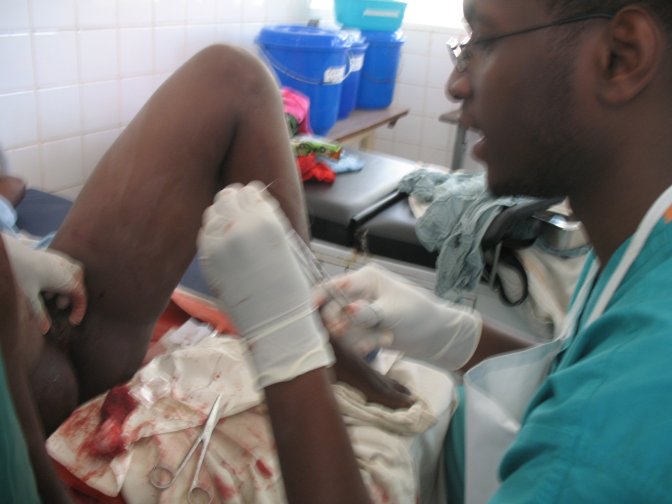
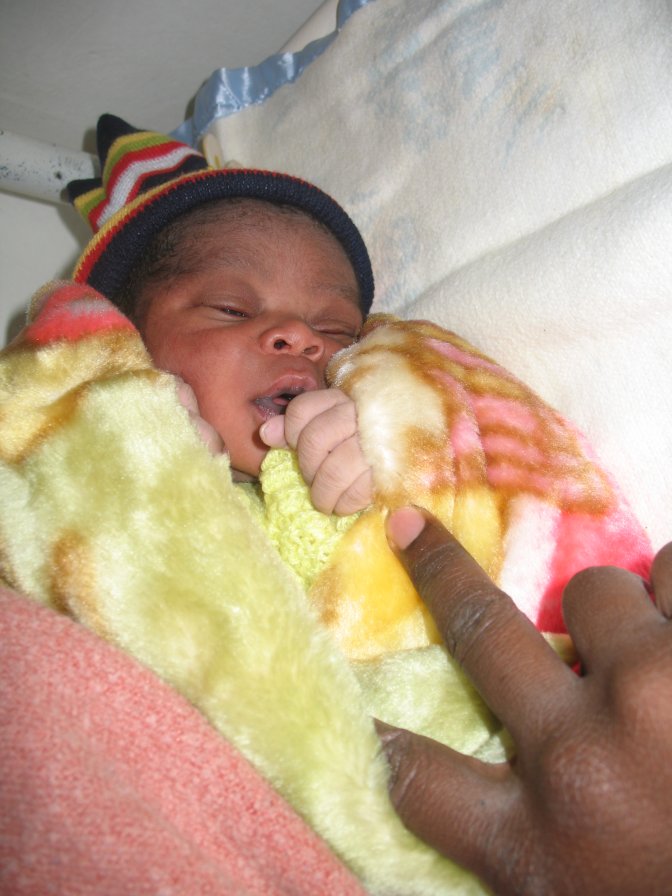
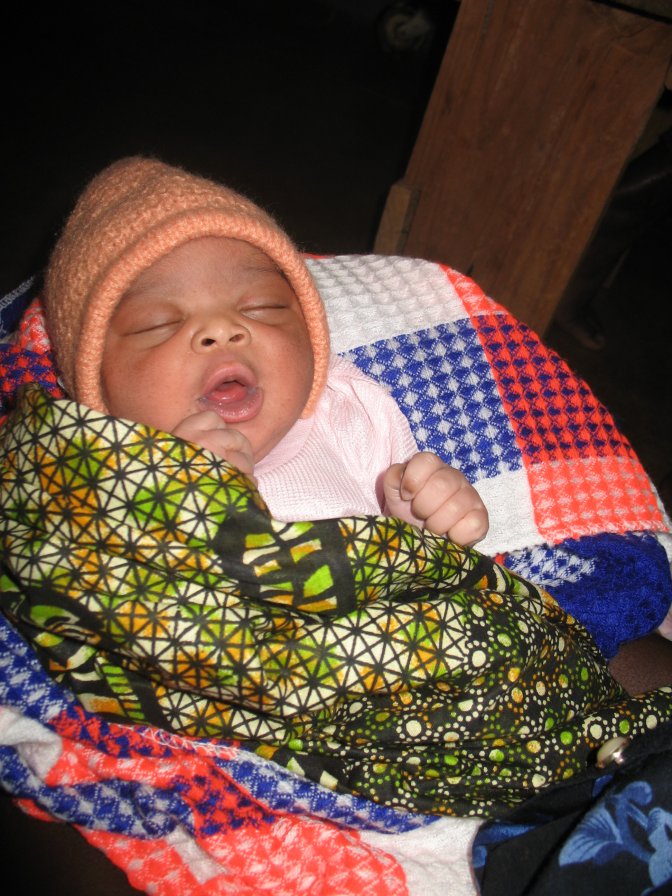
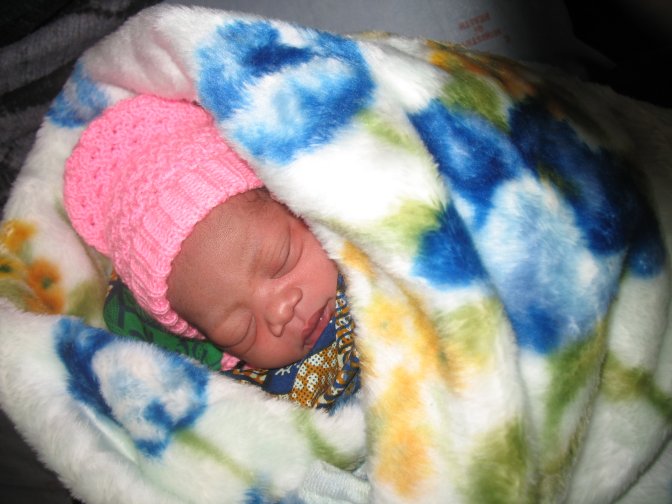



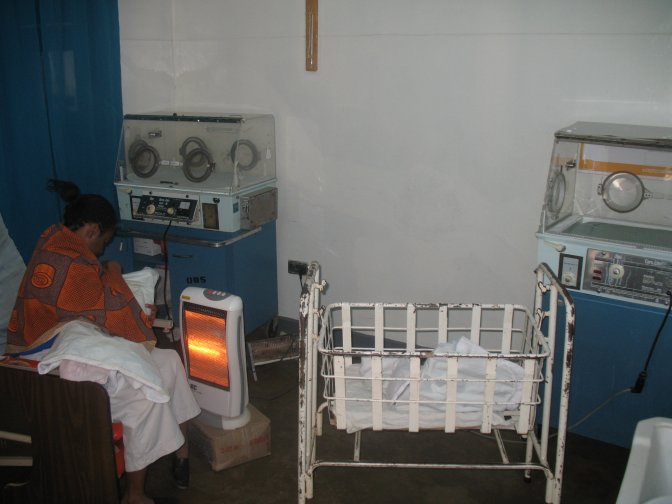


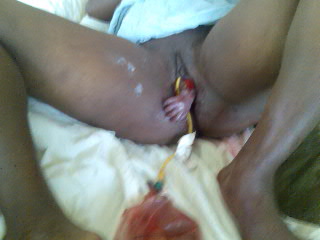
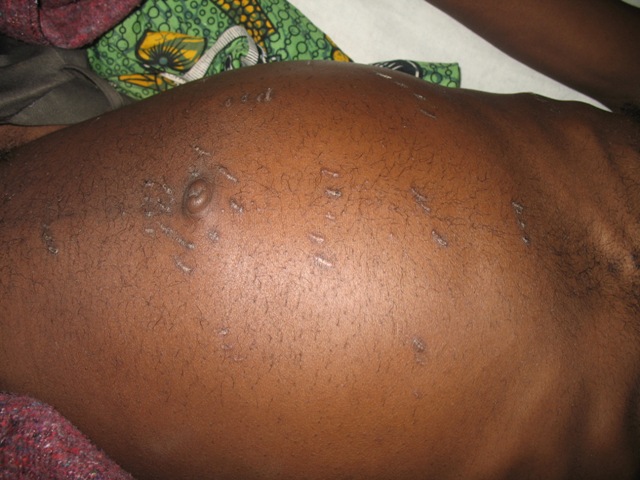
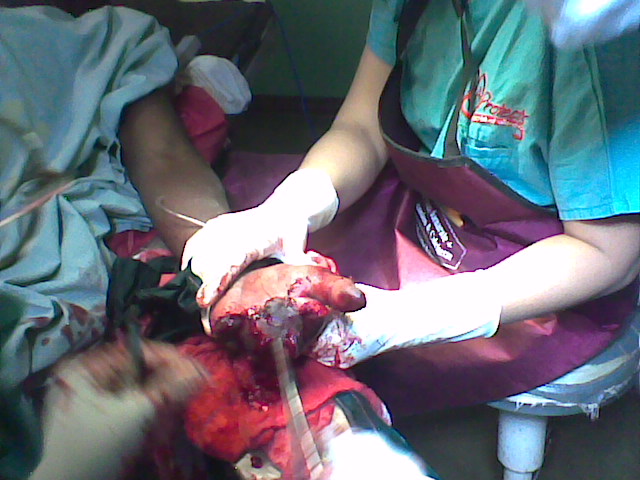
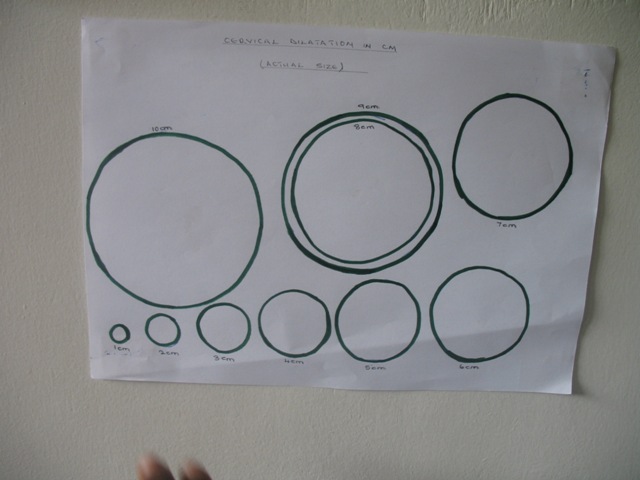
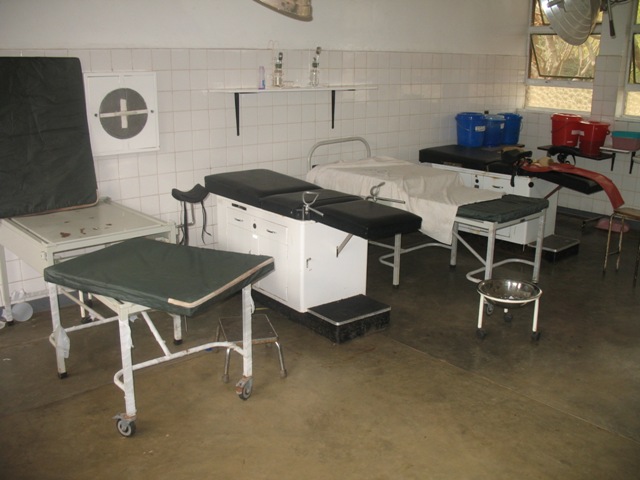







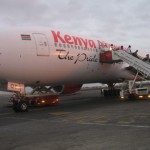
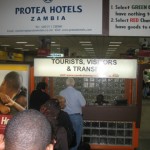
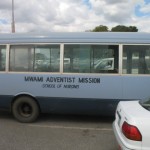
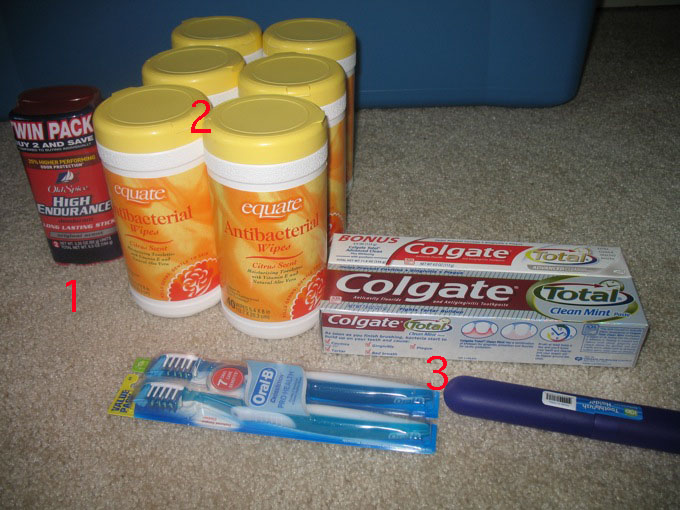

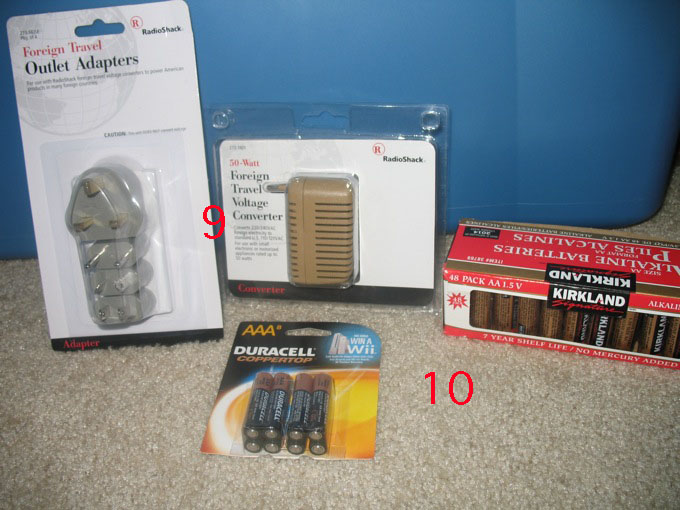
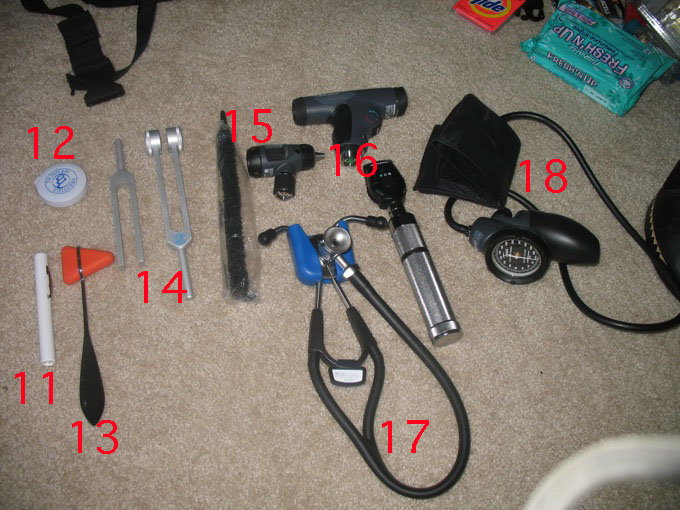
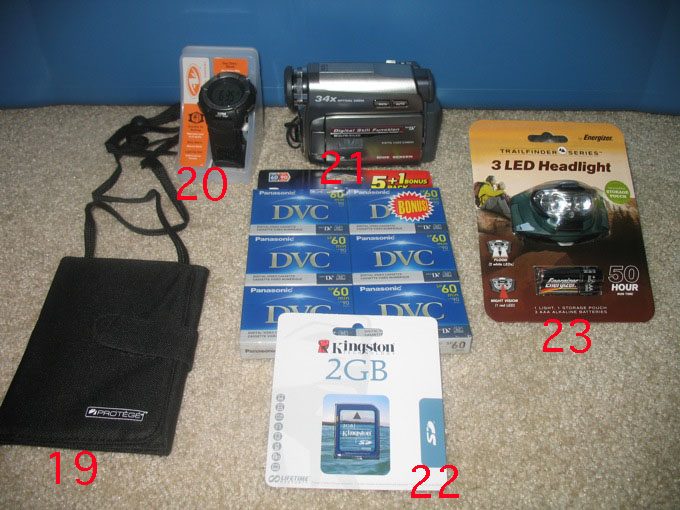
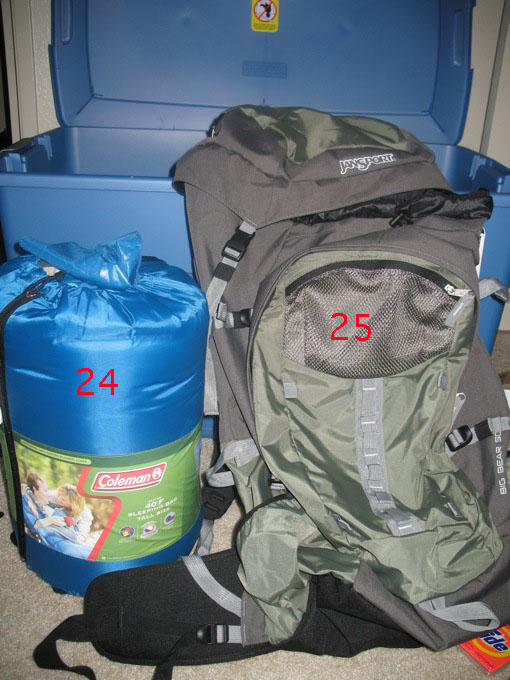
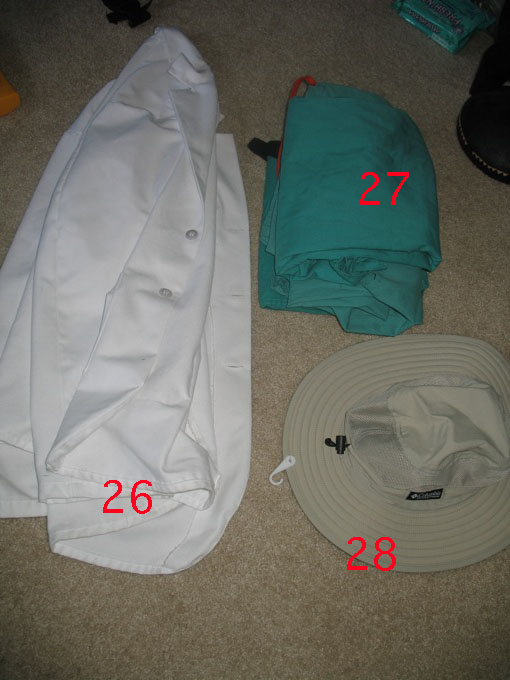
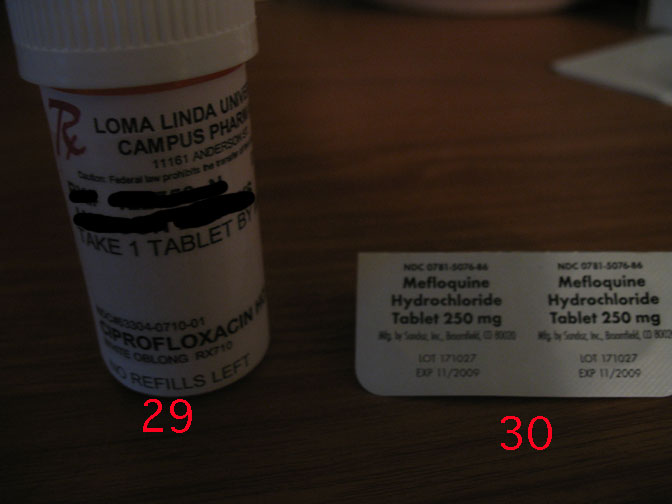
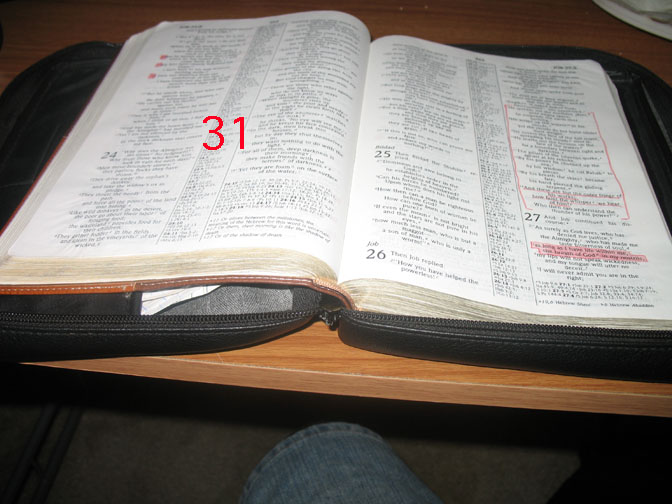
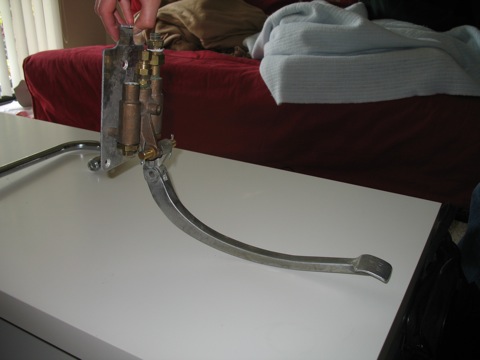
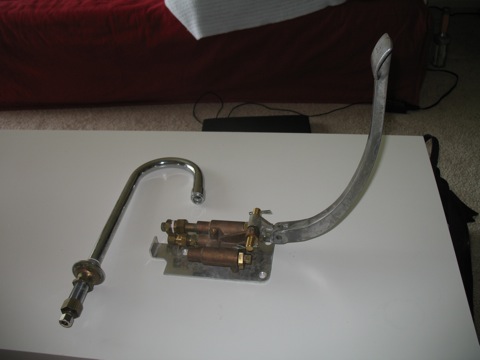
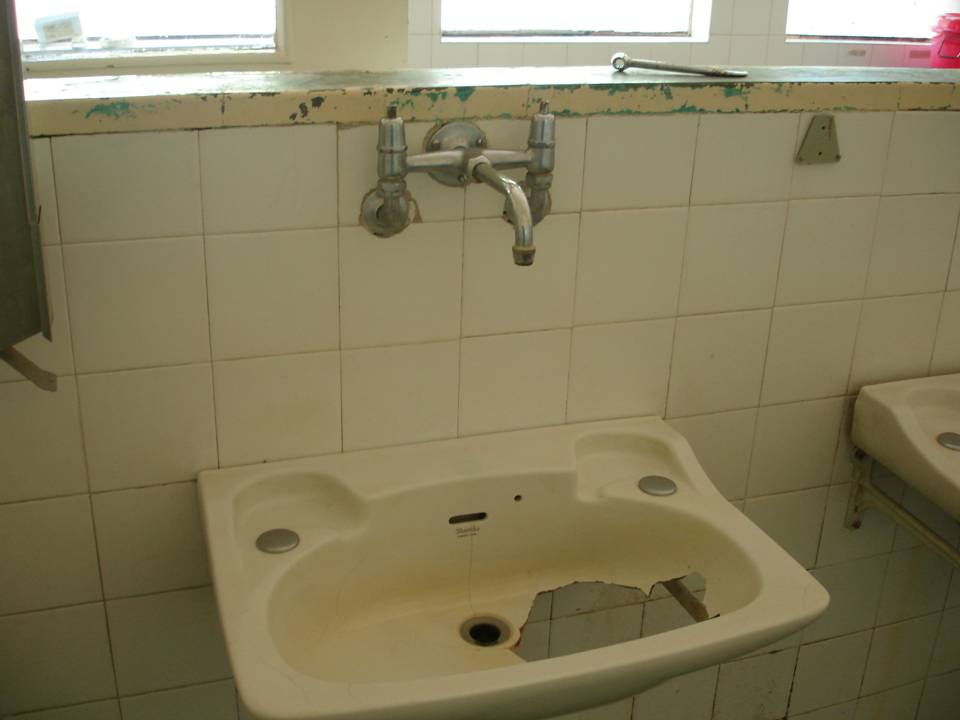
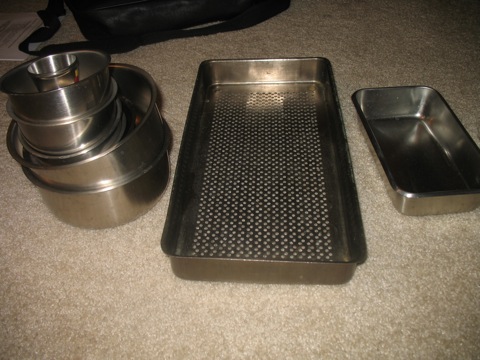
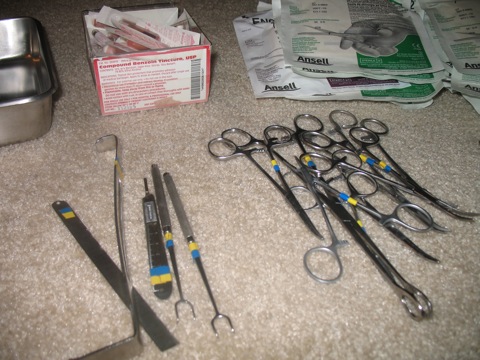
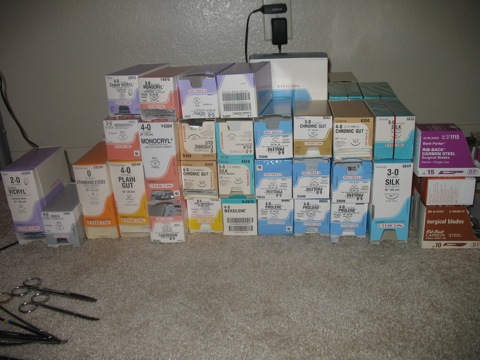
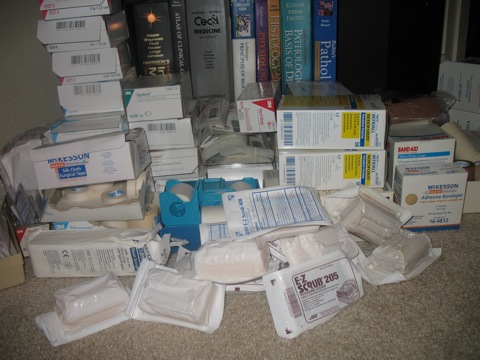
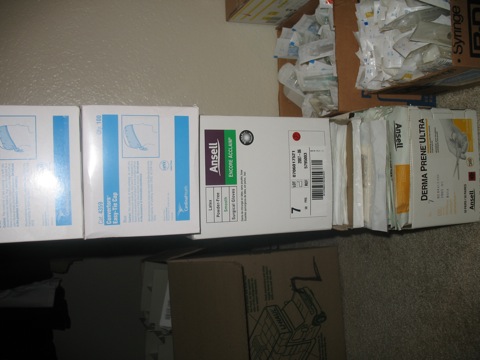
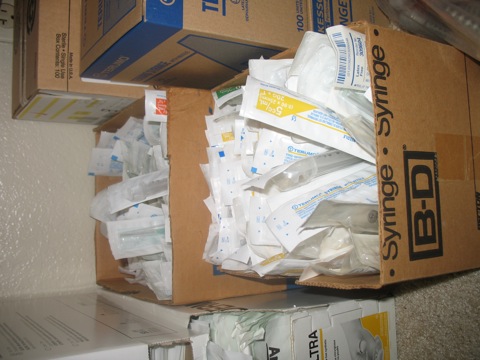
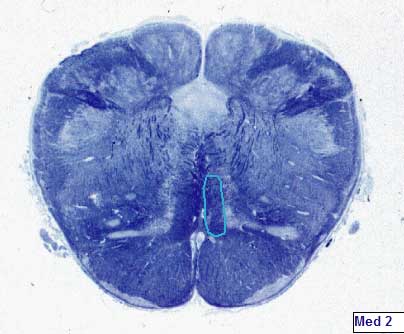
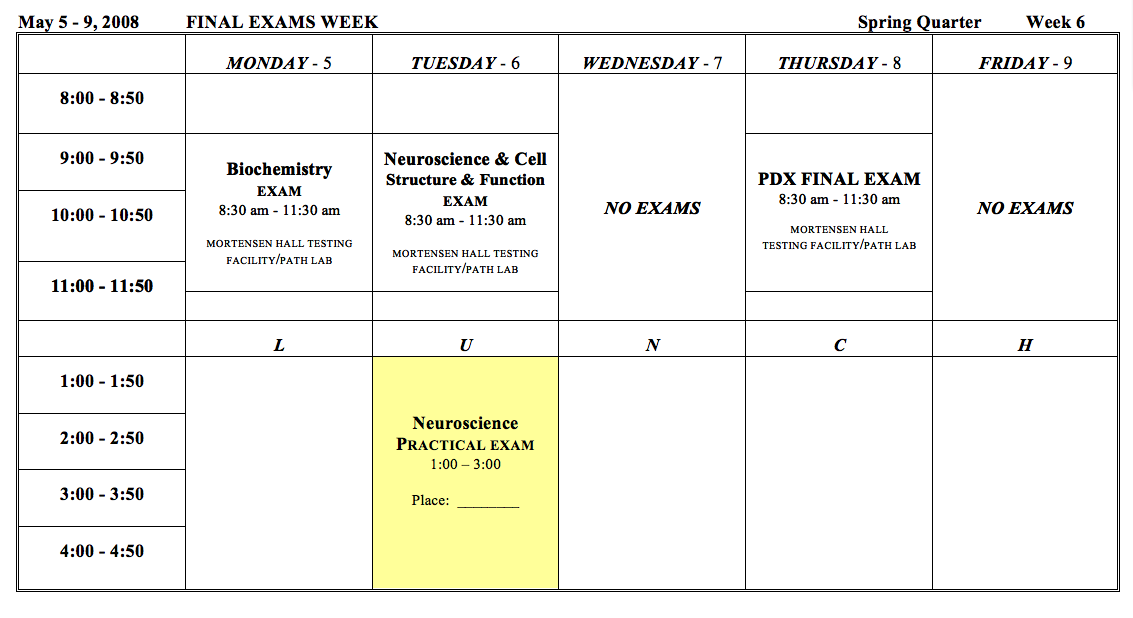
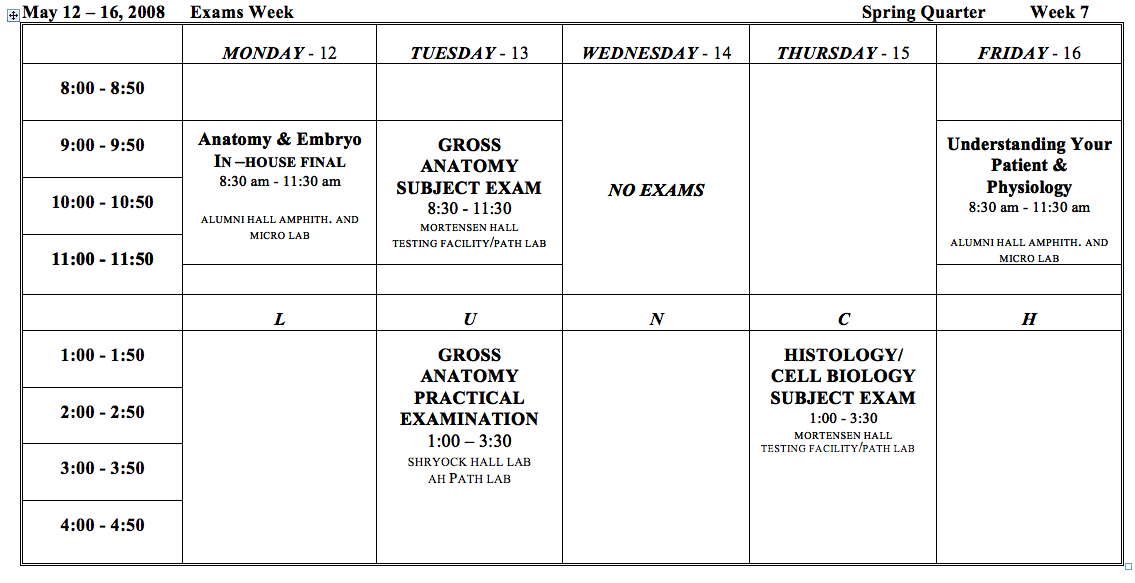
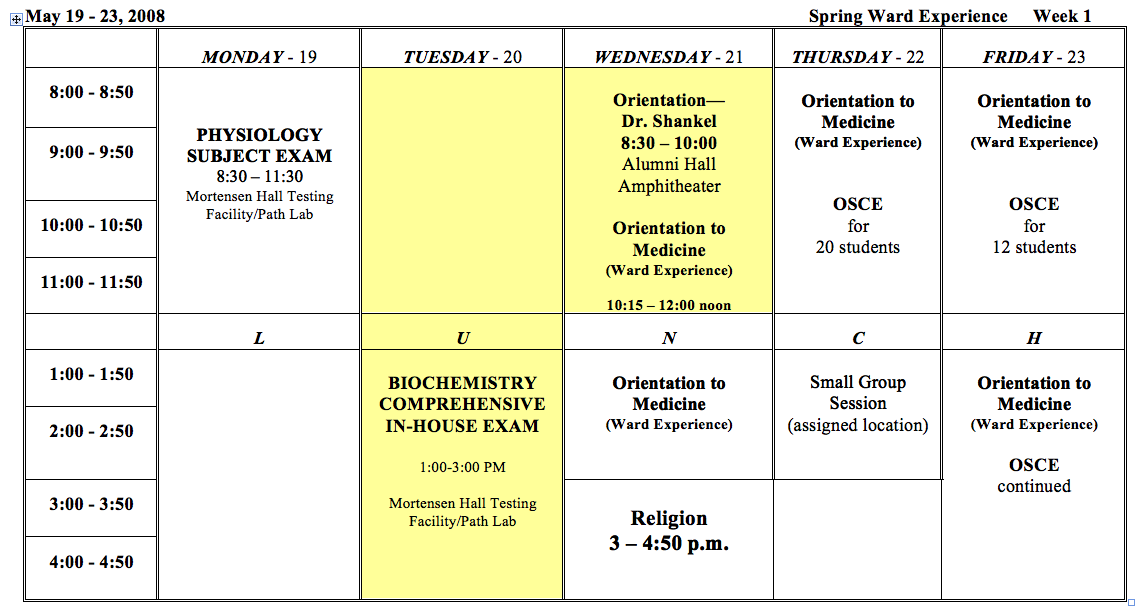
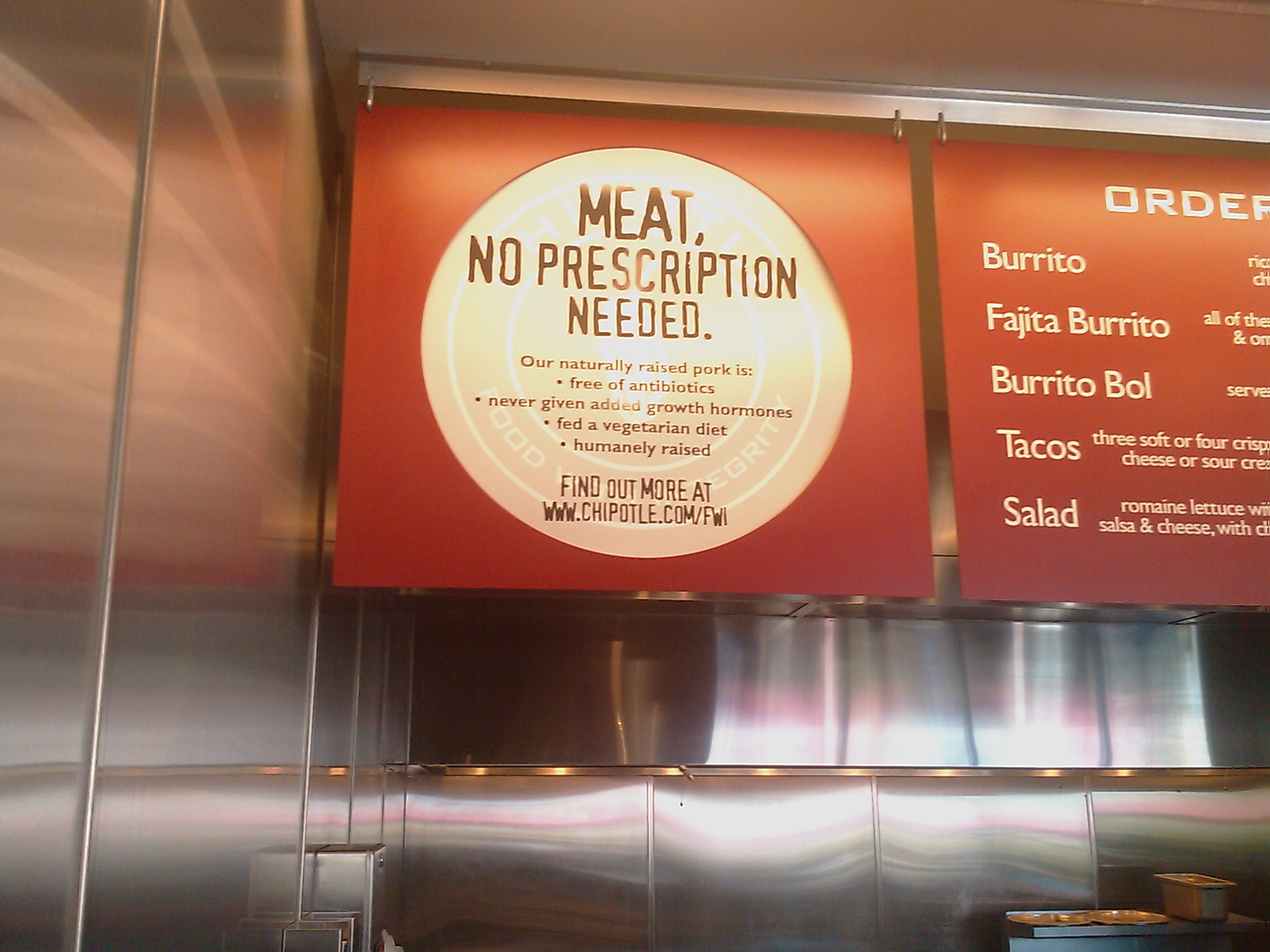
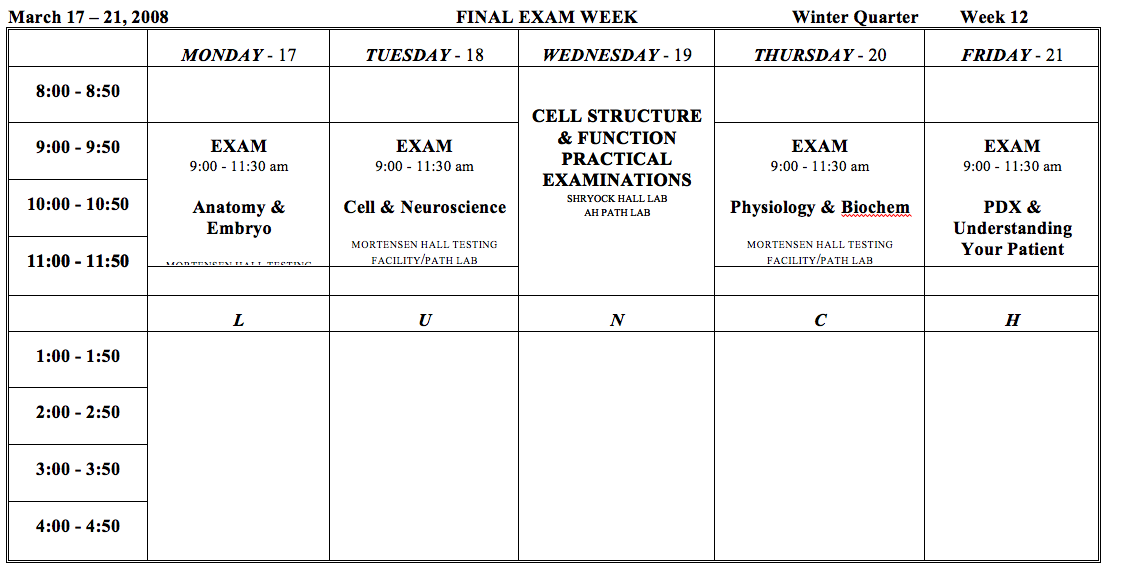
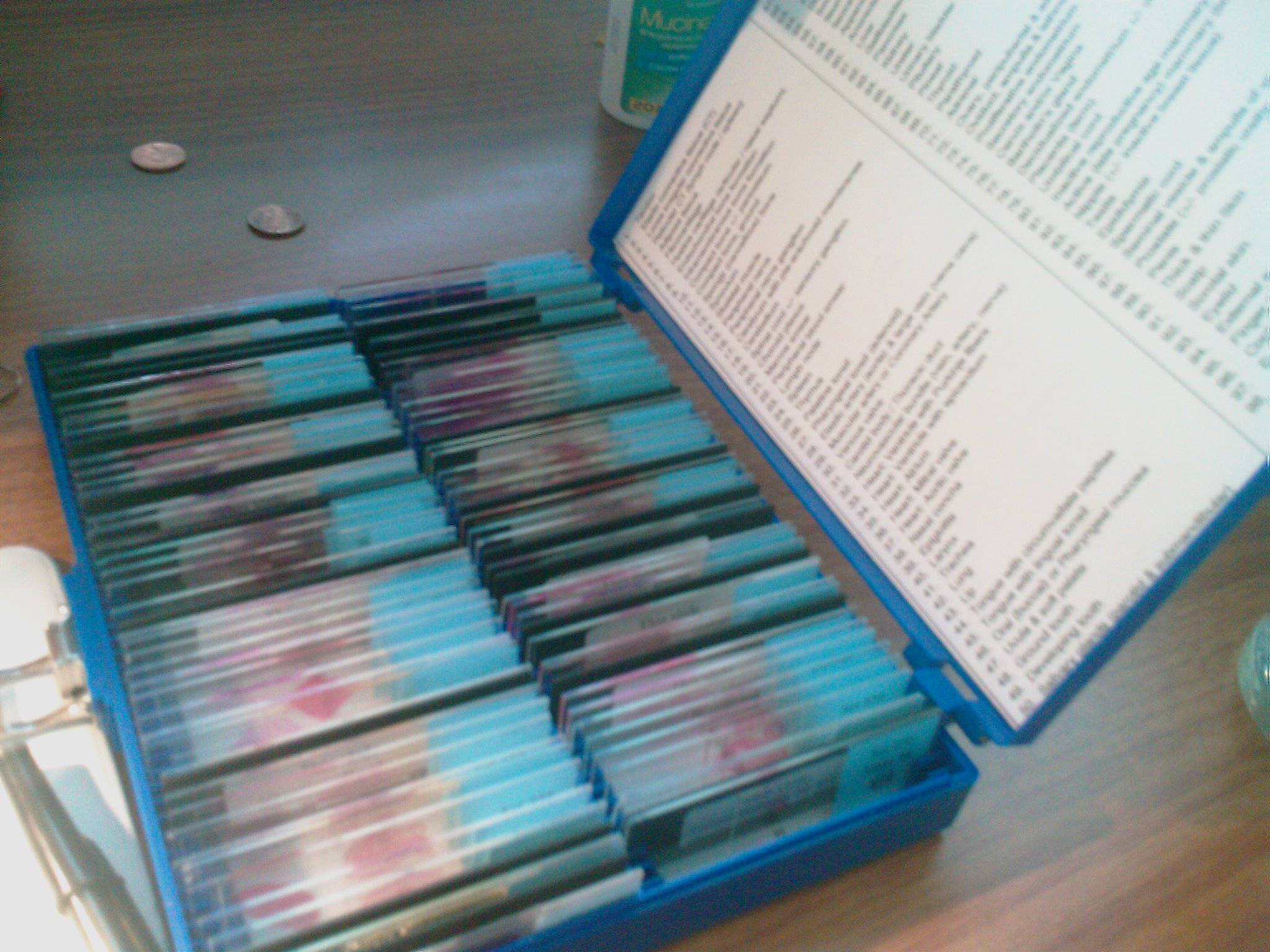
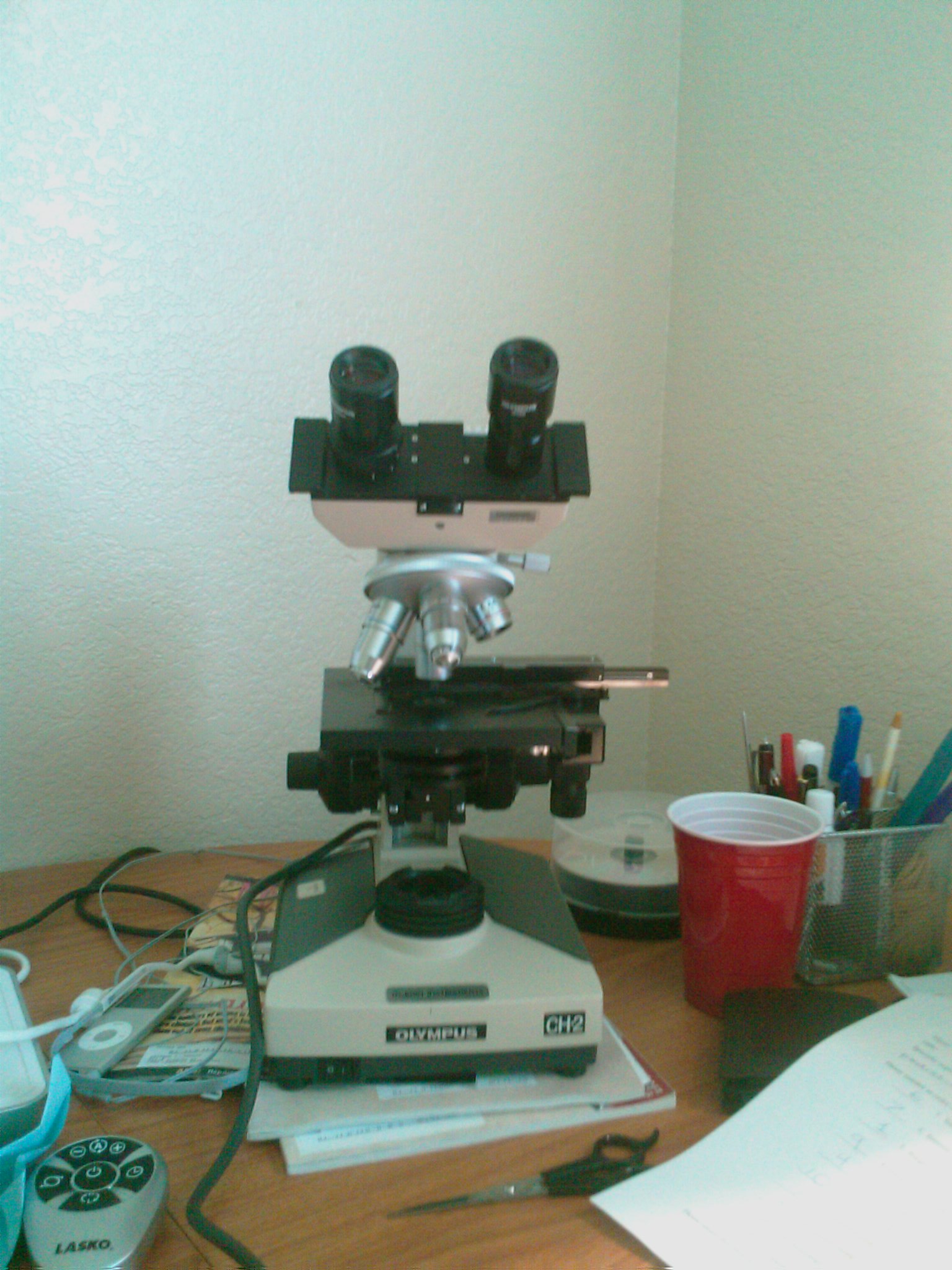
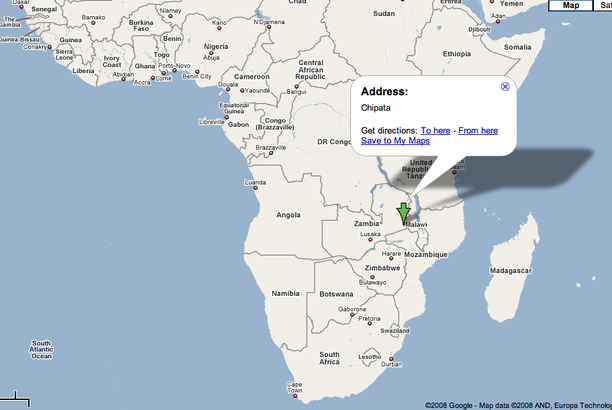
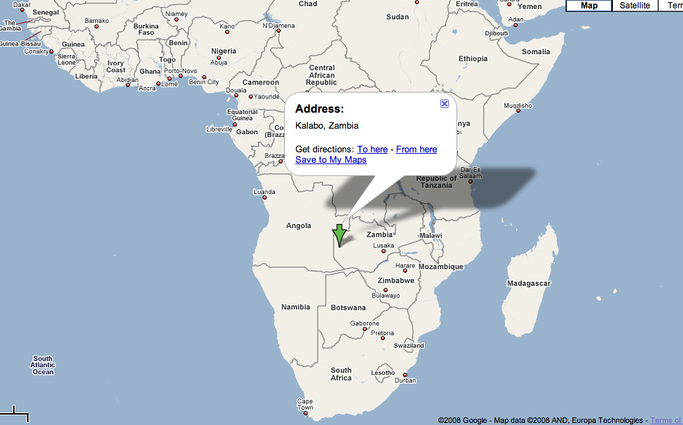 If both of the Zambia hospitals fall through, we plan to do mission work at the Bere Health Center in Bere, Tchad. We are really so excited about this opportunity, not only to gain real hands on medical experience but also to reach out to those in need. We are still working out the details (including figuring out how we can get the $5,000 needed to fly there cause we don’t have it), and I will keep you posted on how things go.